
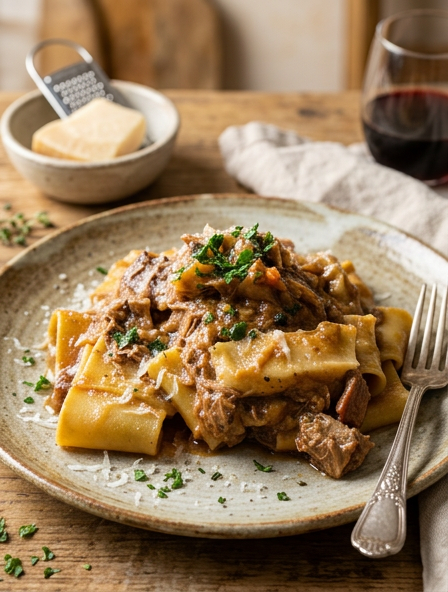
The dish photograph could not be loaded. This page expects Pappardelleanatra.webp in /engine/Pasta1/.
Recipe Overview
Pappardelle and duck are a natural pairing in central Italian cooking. The width of the pasta holds the ragù beautifully, while the slow-cooked duck brings richness, depth, and a rustic elegance. This preparation balances long-cooked savory flavor with brightness from white wine and the sweetness of classic soffritto.
Recipe Timing
Base yield: 4 servings. Original recipe labels: 25 minutes preparation, 255 minutes cooking, 280 minutes total. The method includes about 4 hours for the duck, then a 30-40-minute bone simmer and sauce finishing. The labor panel separates hands-on work from unattended cooking; elapsed recipe timing needs review.
Connected Experience
Open the ingredient graphics for their linked guides. The serving calculator updates ingredient quantities, inventory requirements and estimated production labor together.
Ingredients
Ingredients, inventory requirements and labor use the same planned serving count.
Choose the ingredients for this production
Your recipe permits Grana Padano or Parmigiano and duck fat or olive oil. Only the selected cheese and fat enter the current inventory requirements.
Duck fat is as needed: the detailed ingredient record lists 30 g, while the original inventory map lists 45 g. The 30 g planning allowance is selected here and remains unconfirmed until adjusted or confirmed.
No stock is deducted when choosing ingredients.
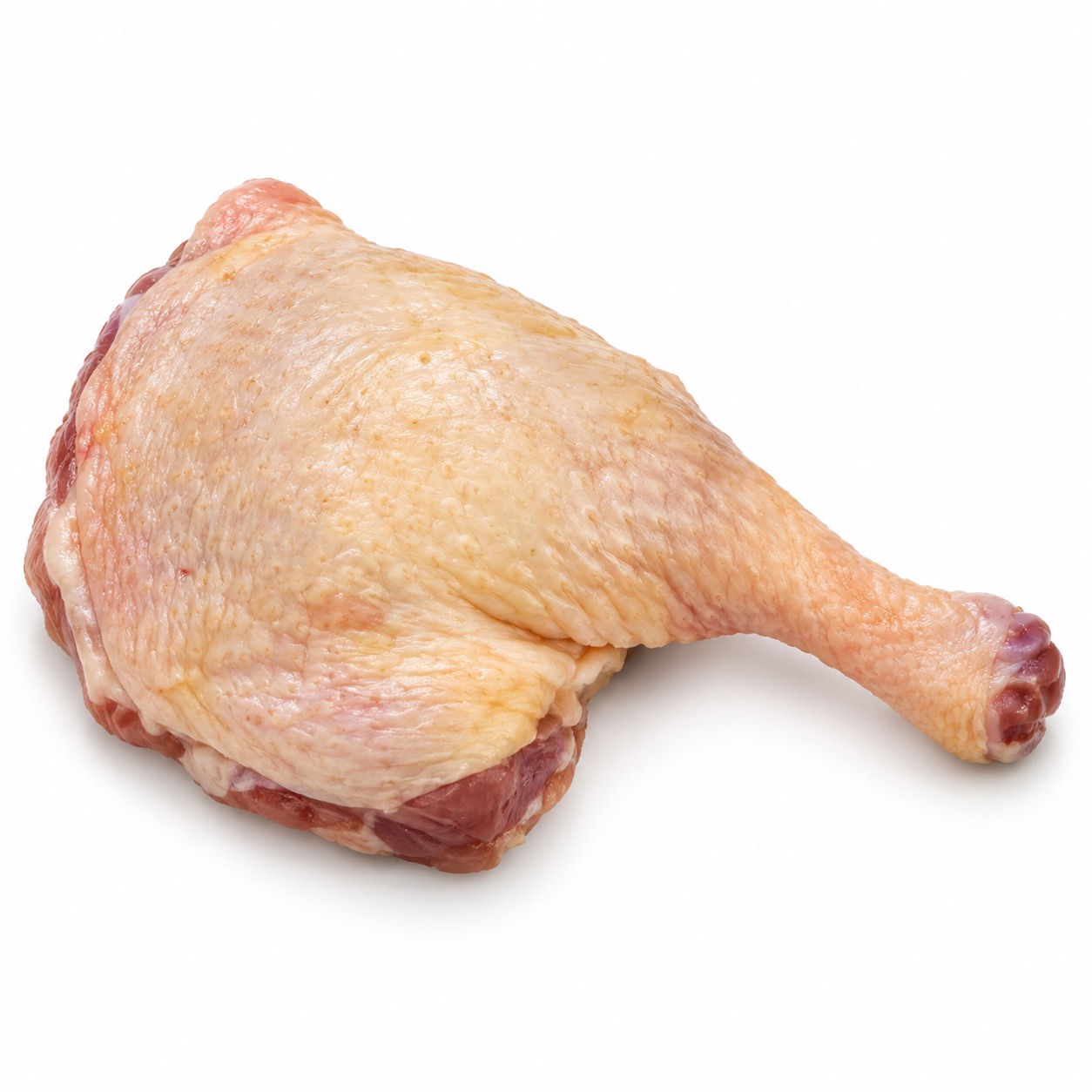 Duck Legs1360 g — Bone-in duck legs; keep the legs inventory identity.Dedicated duck-leg graphicIdentity: duck_legs
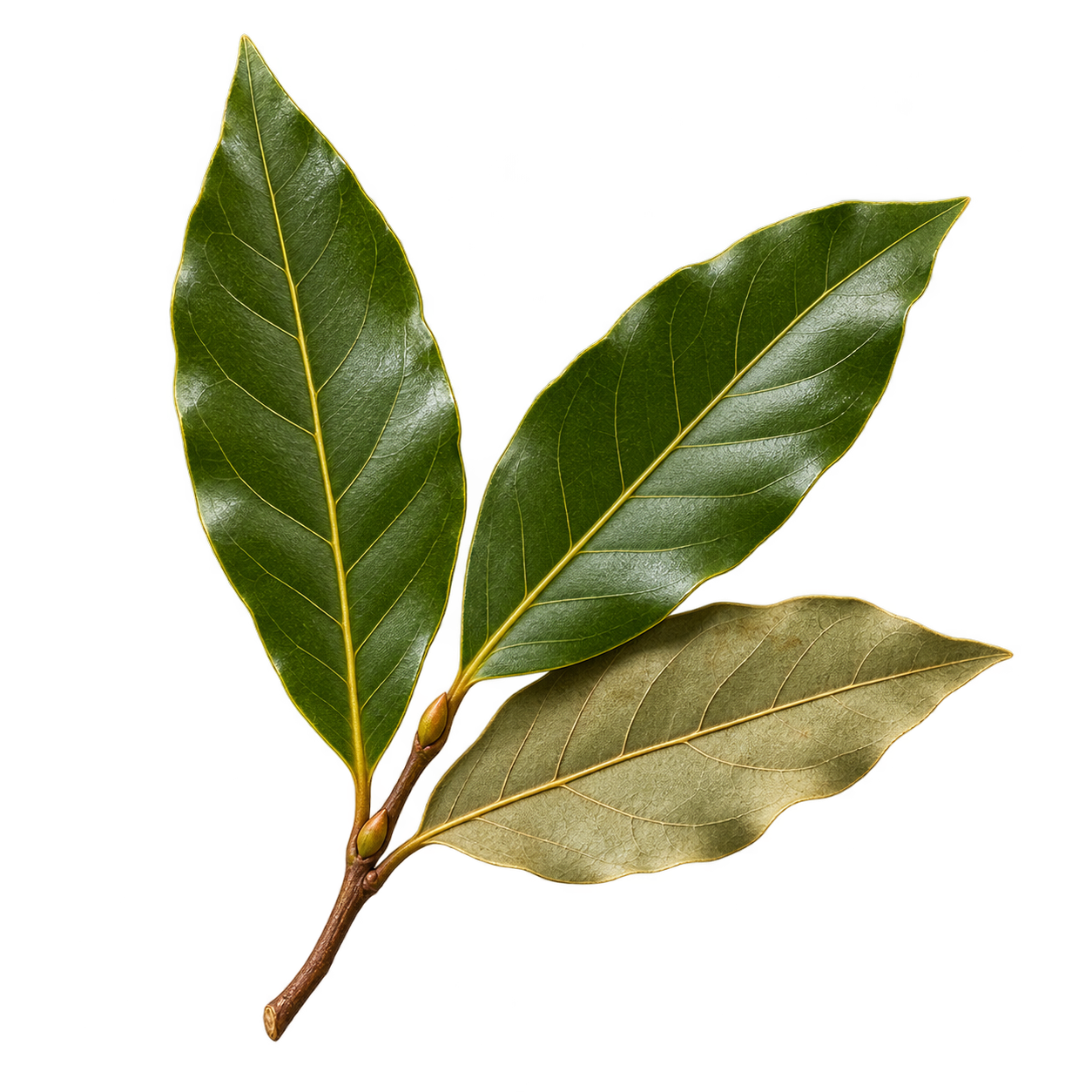 Bay Leaves3 leaf — A few bay leaves; 3 leaves is the existing detailed-record allowance.Inventory unit conversion requires a measured yieldIdentity: HERB-BAY-LAUREL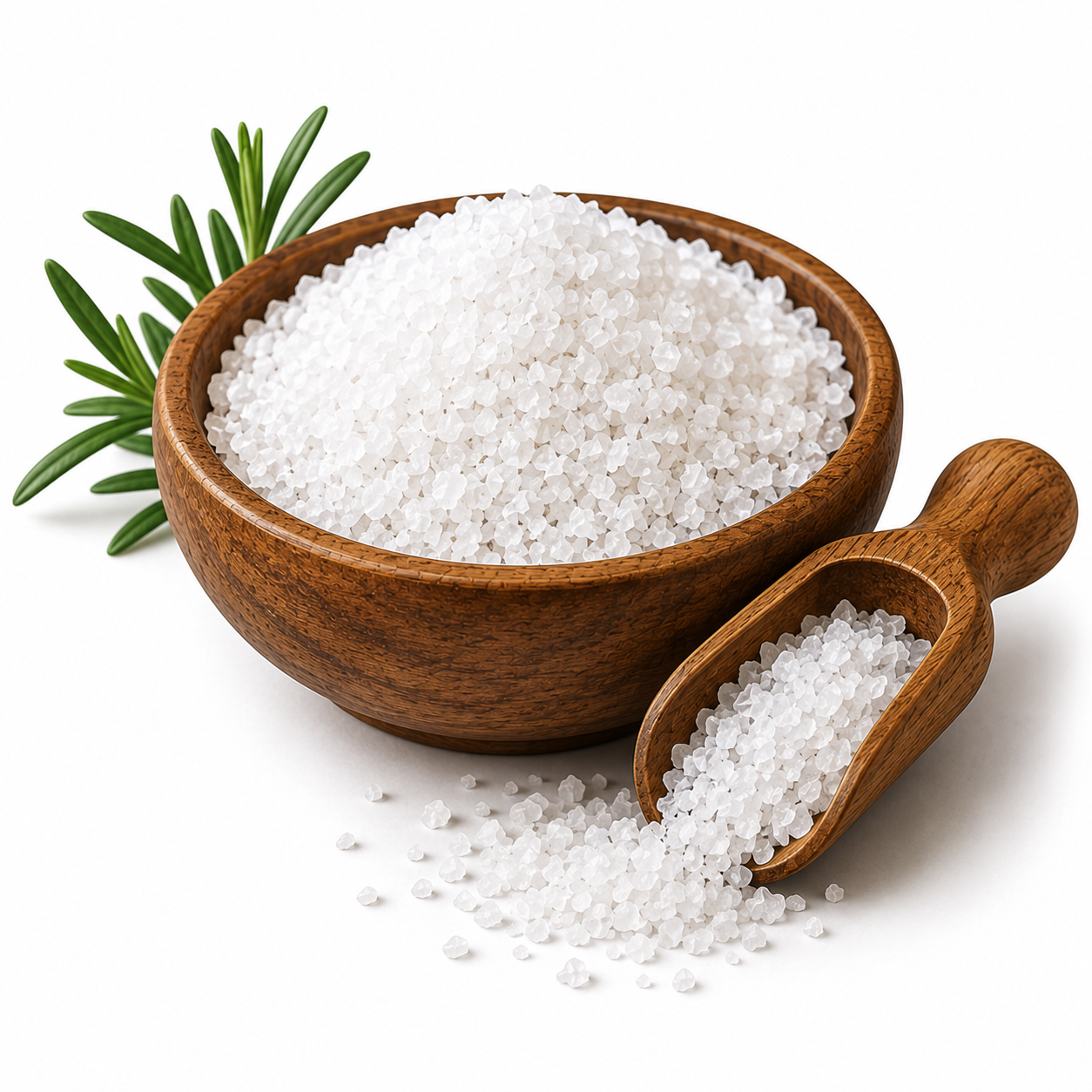
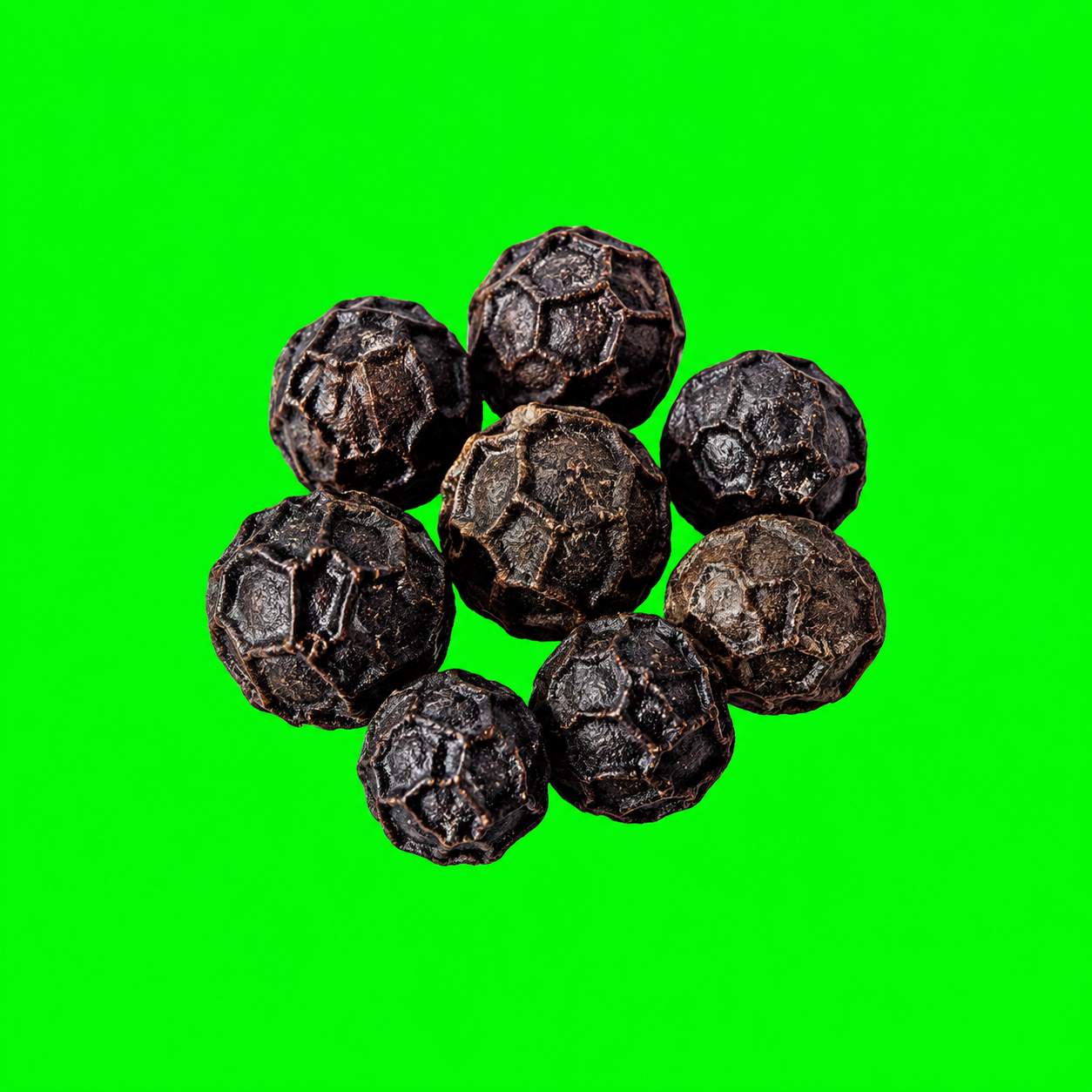 Black Pepper2 g — To taste; 2 g is the existing base planning allowance.Identity: SPICE-PEPPERCORN-BLACK
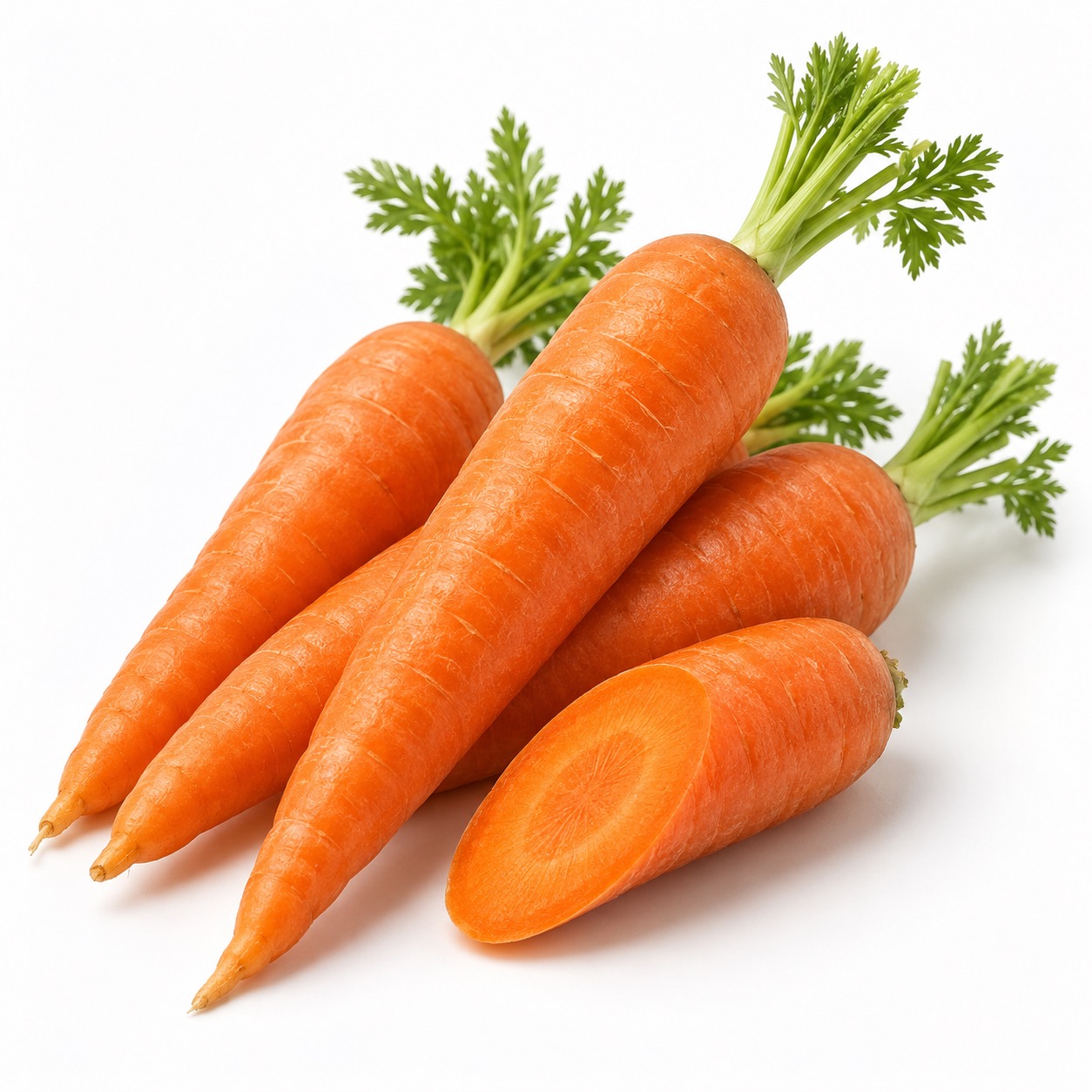 Carrots2 whole — Jumbo carrots, small dice; no count-to-weight yield assumed.Inventory unit conversion requires a measured yieldIdentity: TC-VEG-CARROT-001
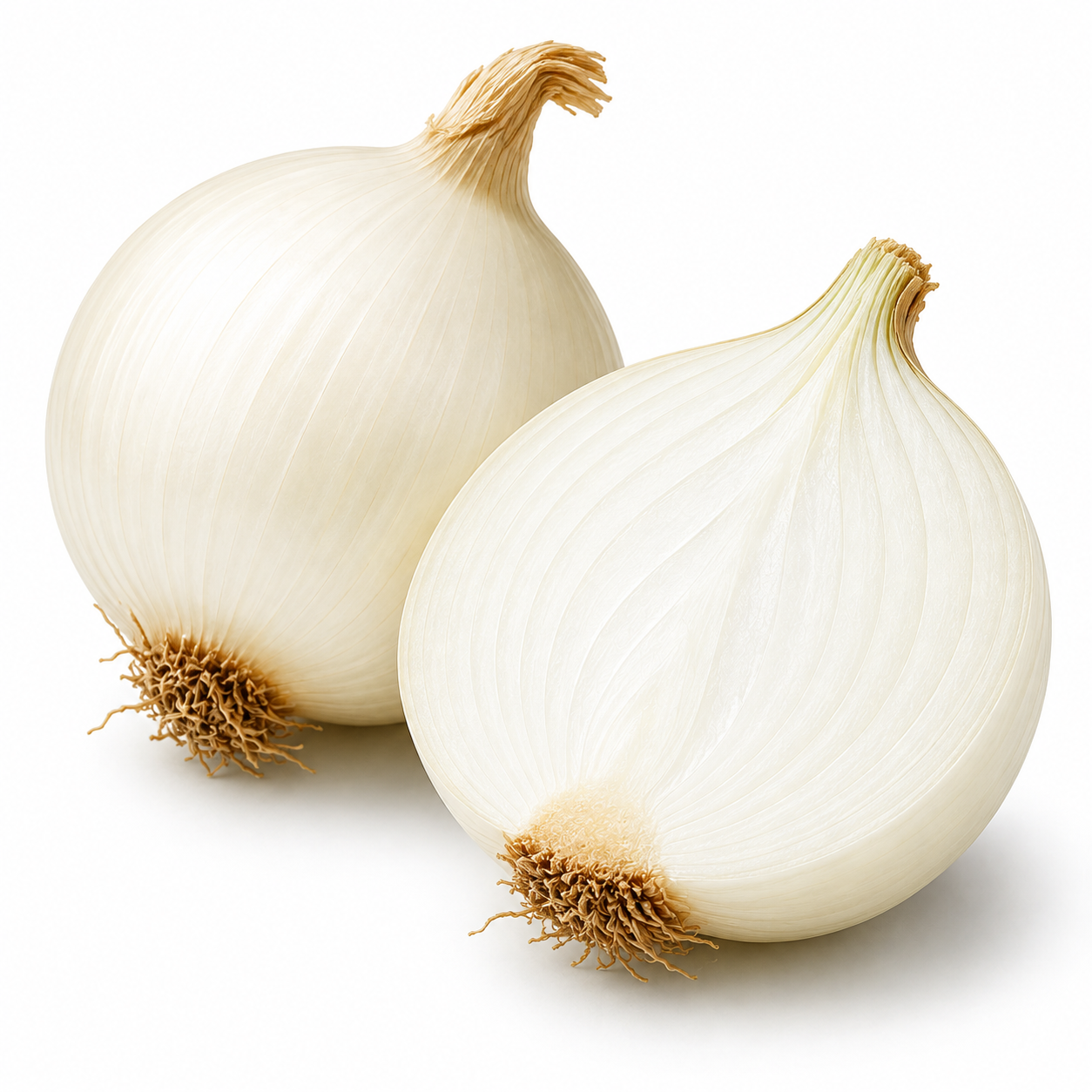 White Onion1 whole — Large white onion, small dice; no count-to-weight yield assumed.Inventory unit conversion requires a measured yieldIdentity: TC-VEG-ONION-WHITE
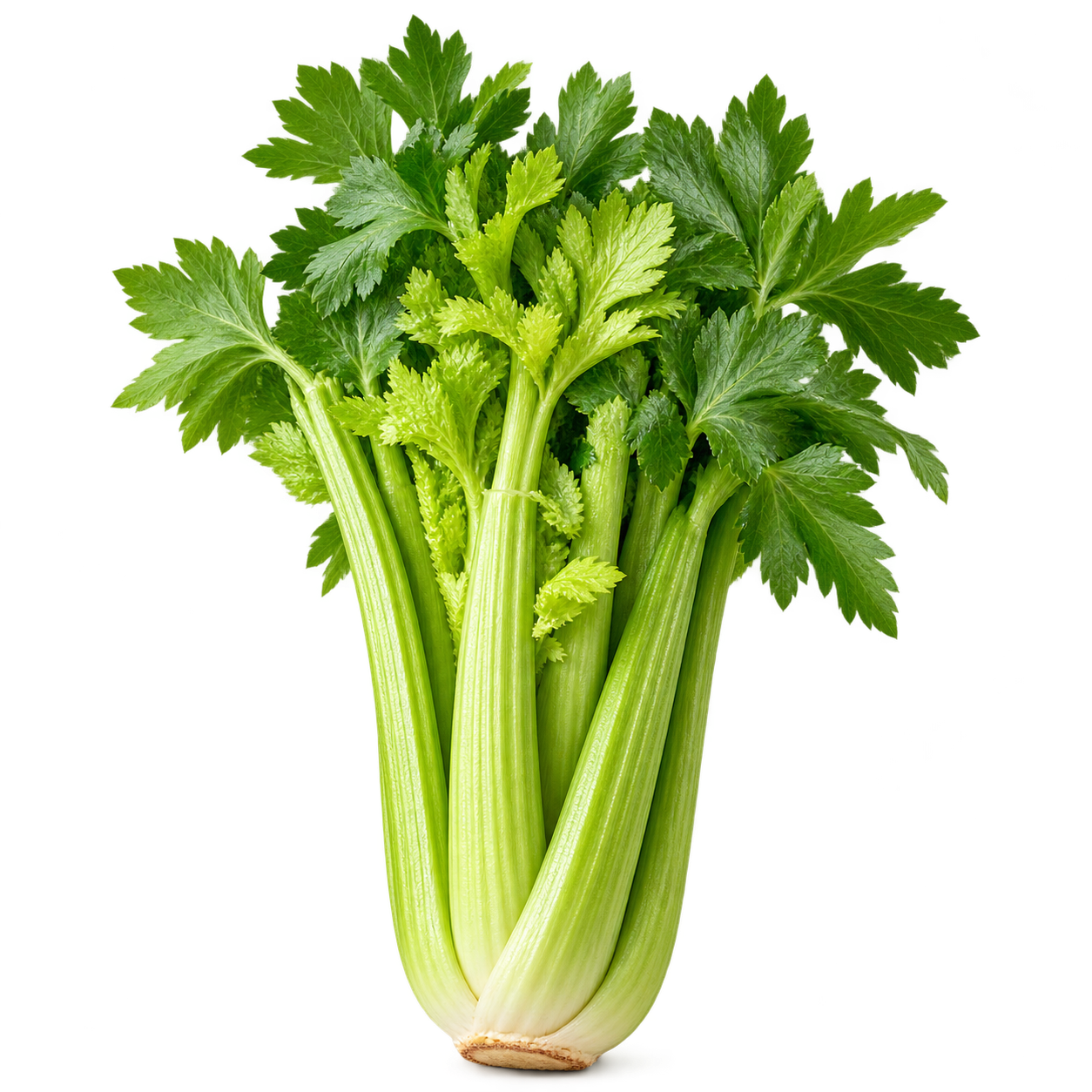 Celery4 stalk — Celery stalks, small dice; no count-to-weight yield assumed.Inventory unit conversion requires a measured yieldIdentity: VEG-CEL-001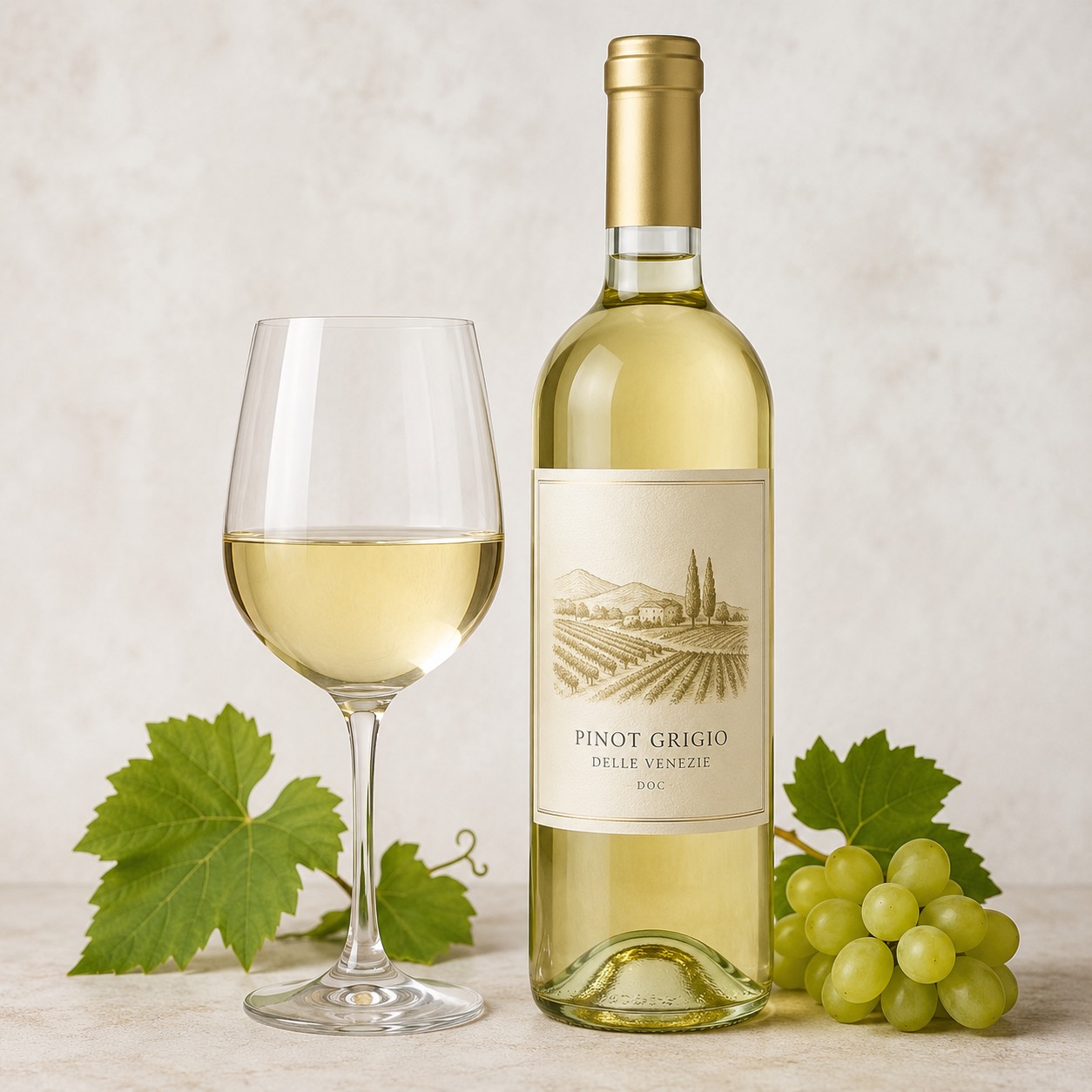
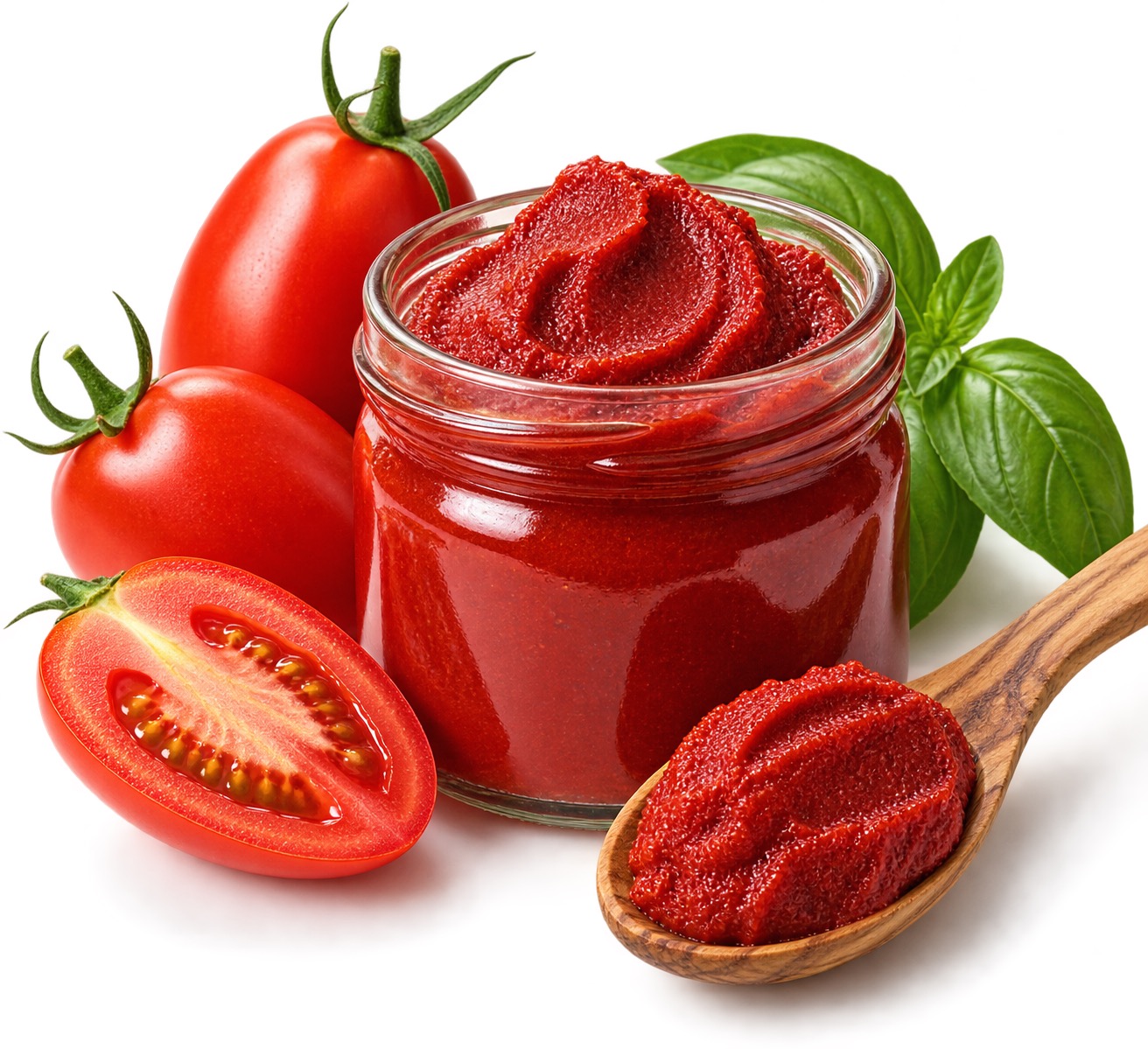
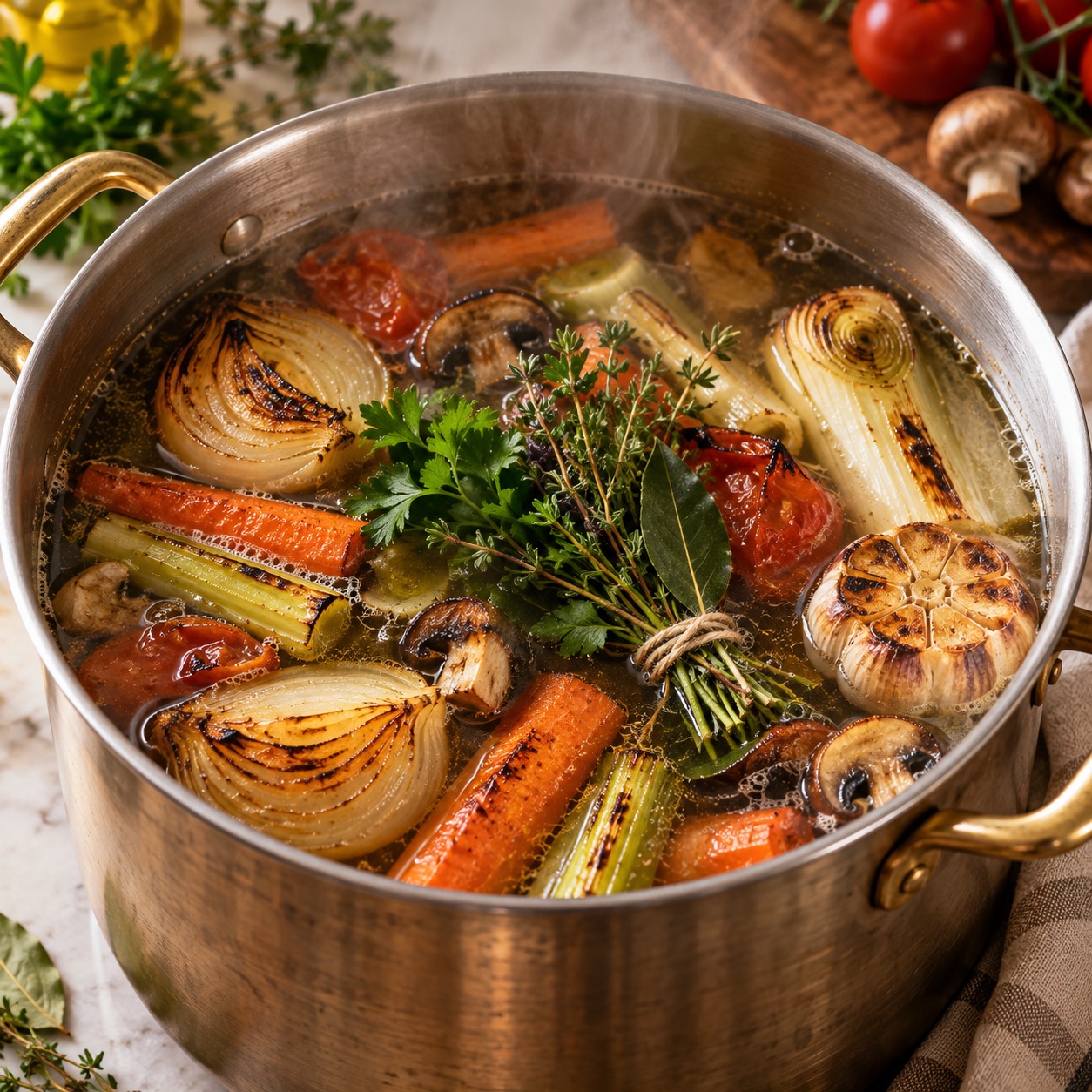 Vegetable Stock950 ml — Prepared vegetable stock for the duck-bone extraction.Identity: vegetable_stock
 Fresh Pappardelle900 g — Fresh pappardelle; the linked preparation is the fresh pasta dough recipe.Shared fresh-pasta dough graphicIdentity: fresh_pappardelle
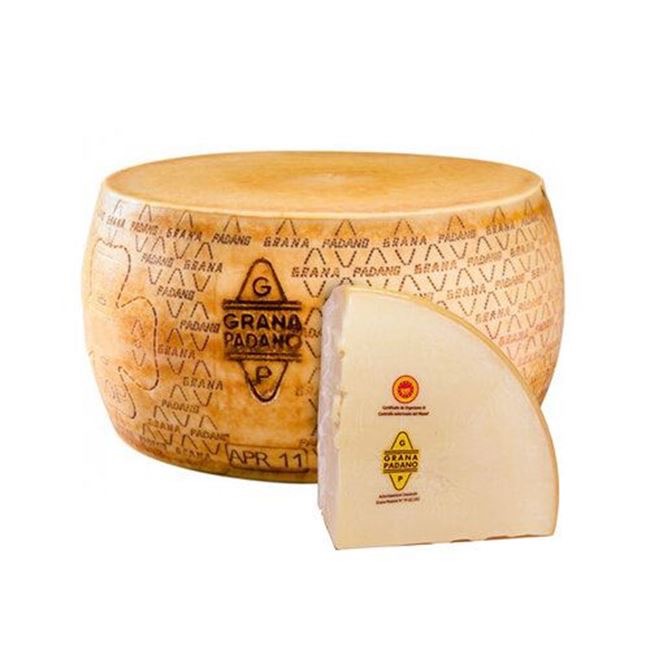 Grana Padano80 g — Finely grated; choose Grana Padano OR Parmigiano, not both.Identity: TC-DAIRY-GRANA-PADANO-001
-
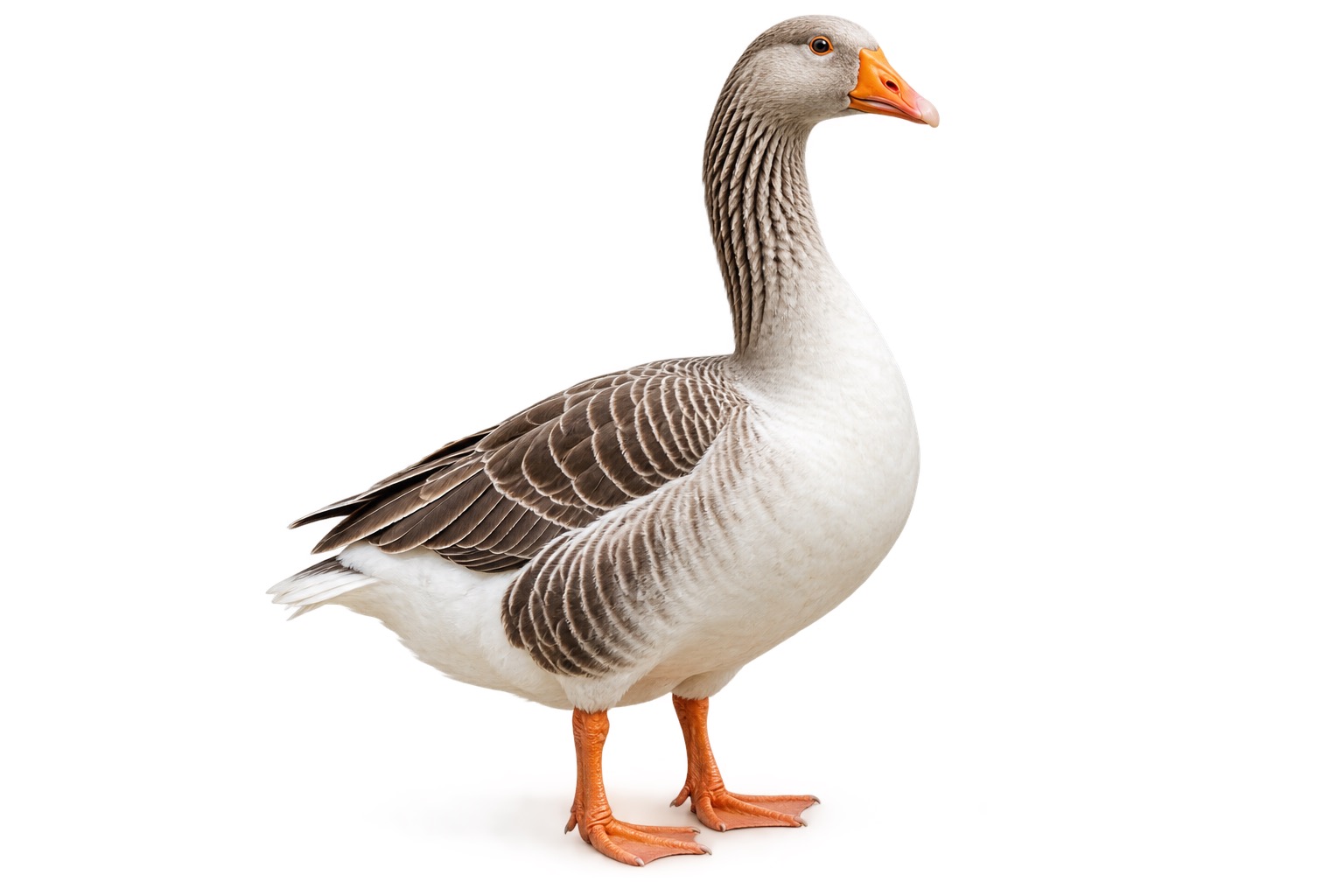 Duck Fat 30 g — As needed. Detailed record: 30 g; legacy inventory map: 45 g. Confirm the planning allowance below. Duck-family graphic Identity: duck_fat
Preparation
- Slow-cook the duck: Pat the duck legs dry and season with sea salt, black pepper, and fresh thyme. Wrap tightly in foil and bake at 200°F / 95°C for about 4 hours until very tender. Cool slightly, remove the meat from the bones, shred, and reserve the rendered fat.
- Prepare the soffritto: In a wide pan, warm 2 to 3 tablespoons of duck fat or olive oil. Add the onion, celery, and carrot and cook slowly until soft, sweet, and lightly golden.
- Build the ragù: Roast the duck bones briefly, then simmer them with tomato paste, bay leaves, herb trimmings, and vegetable stock for 30 to 40 minutes. Strain into the soffritto, add the white wine, and reduce until glossy and concentrated. Fold in the shredded duck and simmer gently for 10 minutes. Taste and adjust seasoning.
- Cook the pasta: Boil the fresh pappardelle in well-salted water until al dente. Transfer directly to the ragù with a splash of pasta water and toss carefully so the sauce coats the pasta evenly.
- Finish and plate: Off heat, finish with a small knob of butter if desired and part of the grated cheese. Plate in warm bowls, spoon extra ragù over the top, and finish with fresh thyme and more shaved or grated cheese.
Recipe preservation and production-planning notes
Original formula: The supplied preparation, history, chef notes and nutrition estimates are retained. Three bay leaves, 5 g salt and 2 g pepper are existing detailed-record planning allowances; season to taste. The optional knob of finishing butter has no specified weight and is not added to the quantified inventory.
Inventory choices: Grana Padano and Parmigiano remain separate identities. Select one. Duck fat and olive oil are alternatives, not two automatic deductions. The detailed duck-fat quantity is 30 g, but the old inventory map says 45 g. This discrepancy is disclosed rather than converted or hidden; use the allowance control and confirmation button.
Counts and yields: Carrots and onions remain whole items, celery remains stalks and bay remains leaves. No guessed gram yield, oil density or bone-in duck yield is used. Receiving and production must supply any conversion needed by the live inventory unit.
Labor: The source provides no measured active/passive time study. The editable 80-minute labor estimate is 25 min prep + 45 min active cooking/handling + 4 min plating + 6 min cleanup. The approximately 240-minute duck cook is excluded from paid labor. This is not a new 80-minute cooking time or a guaranteed completion schedule. Fresh pasta and vegetable stock component production are separate.
Graphic identity: The dedicated duck-leg graphic now represents the duck_legs ingredient identity and links to the Duck guide. Fresh pappardelle links through the existing fresh-pasta dough graphic without changing its inventory identity. Duck fat uses the Goose.webp duck-family graphic while retaining the dedicated duck_fat inventory identity.
History & Tradition
Duck ragù has long been associated with the countryside cooking of Tuscany and other parts of central Italy, where game birds and slow braises bring robust flavor to handmade pasta. Pappardelle, with its broad ribbons, has always been one of the most beloved shapes for rich meat sauces because it captures the depth and texture of the ragù in every bite.
Chef Notes
- Cook the duck very gently so it stays moist and shreds cleanly.
- Reduce the sauce enough to become glossy, not watery, before tossing with pasta.
- Fresh pappardelle should be cooked quickly and finished directly in the sauce for the best texture.
| Calories | ~560 kcal |
| Protein | ~29 g |
| Carbohydrates | ~45 g |
| Fat | ~28 g |
| Fiber | ~4 g |
Original per-serving estimates retained from the supplied recipe; not recalculated or verified for this integration.