


Recipe Overview
This is one of the essential pasta foundations of the Tuscany Cuisine kitchen. The dough is smooth, elastic, and versatile, built for professional consistency and refined handmade results. It is especially suited to laminated fresh pasta rather than extruded production, making it ideal for ravioli, cappellacci, tortelloni, lasagna sheets, pappardelle, tagliatelle, and fettuccine.
Ingredients
-
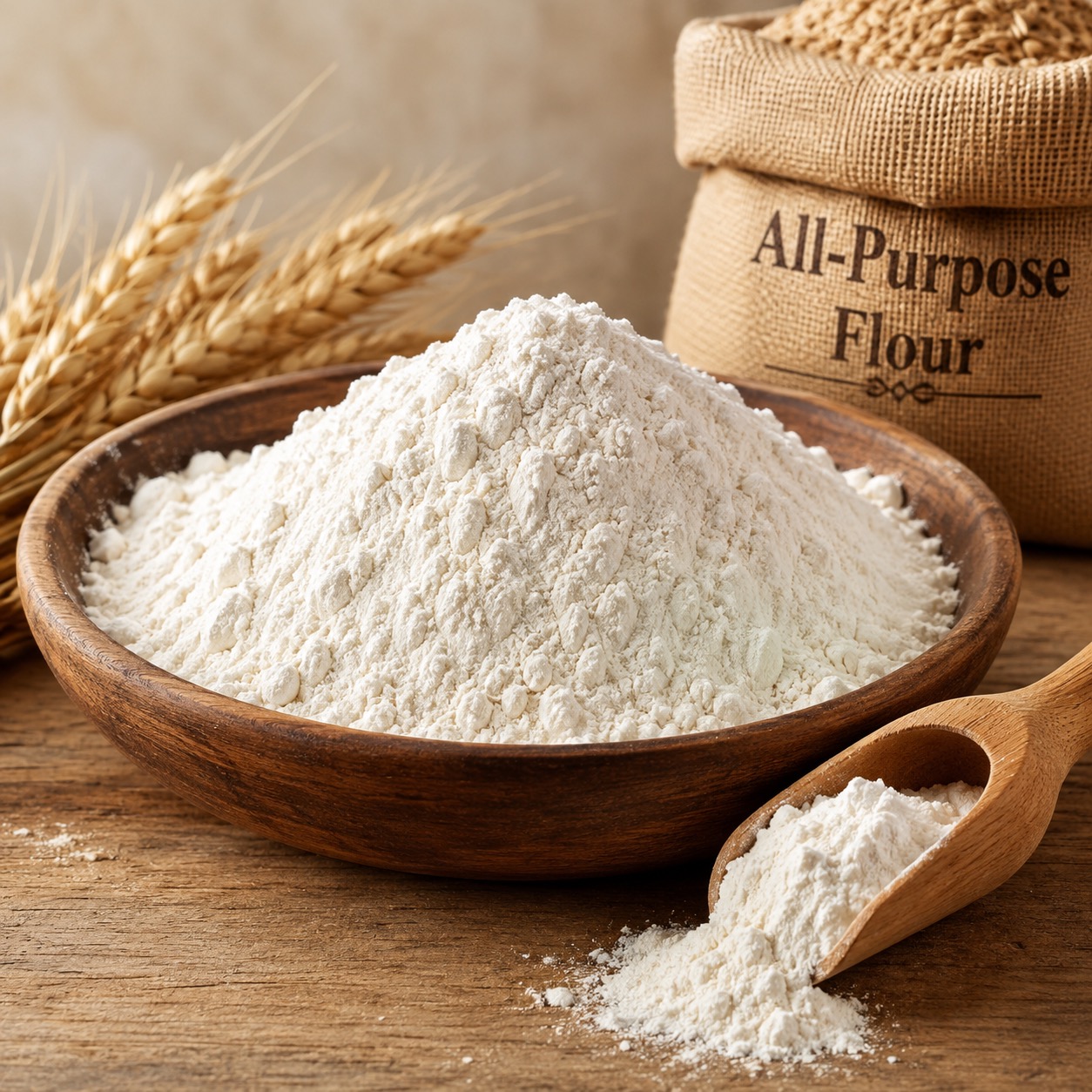 All-Purpose Flour
500 g
All-Purpose Flour
500 g
-
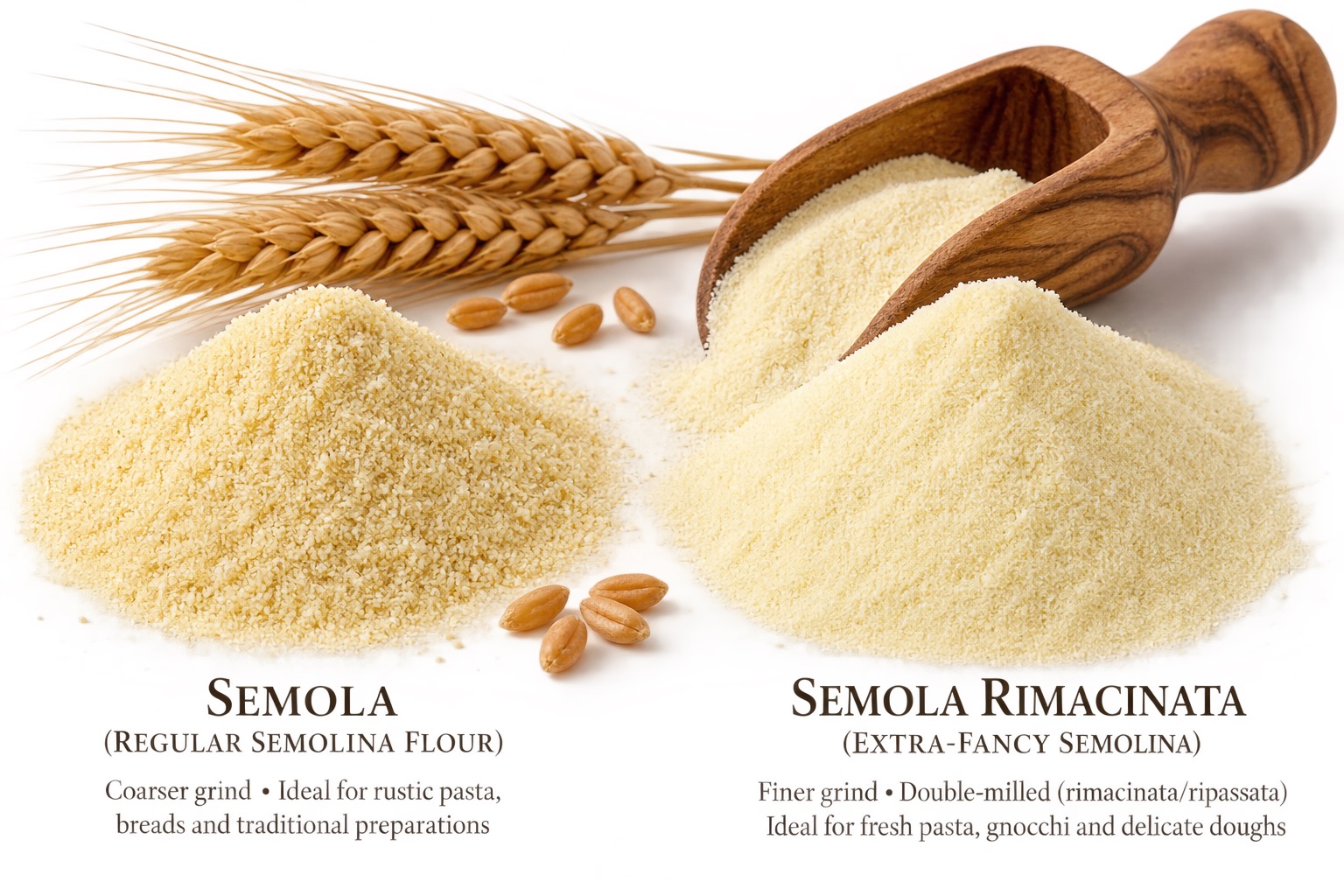 Semola Rimacinata
500 g
Semola Rimacinata
500 g
-
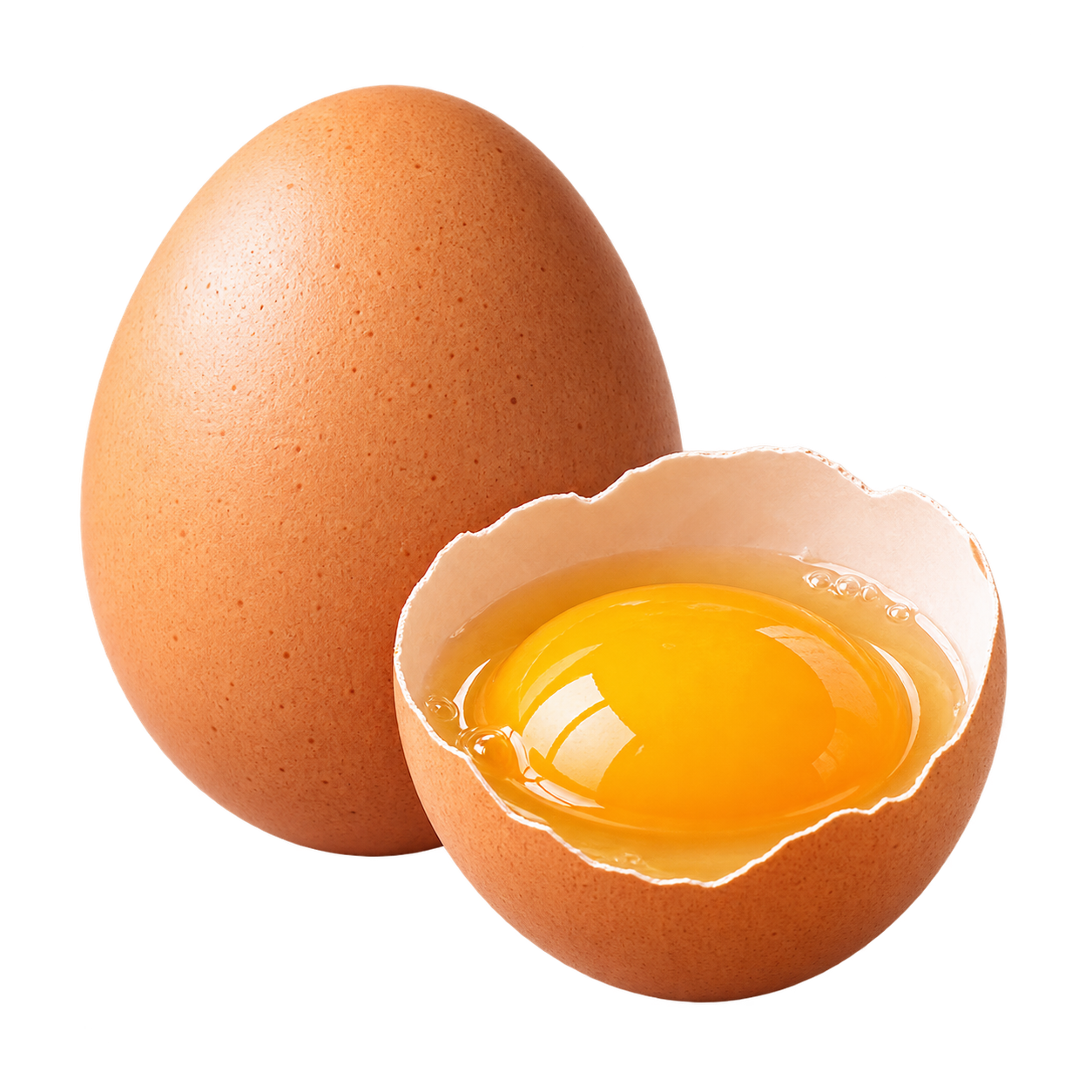 Whole Eggs
600 g, weighed without shells
Whole Eggs
600 g, weighed without shells
-
 Fine Sea Salt
a pinch
Fine Sea Salt
a pinch
Preparation
- Combine the all-purpose flour and semola rimacinata on a clean work surface or in a large mixing bowl. Add a pinch of fine sea salt and form a well in the center.
- Add the whole eggs into the well and begin mixing with a fork, gradually pulling the flour inward until a shaggy dough starts to form.
- Knead the dough by hand for about 8 to 10 minutes, or mix with a dough hook until smooth, elastic, and only slightly tacky.
- Wrap the dough tightly and let it rest for at least 30 minutes. For best handling and gluten relaxation, you can refrigerate it up to 24 hours before rolling.
- Laminate or roll into sheets for ravioli, tortelloni, cappellacci, lasagna, pappardelle, fettuccine, or tagliatelle. Cook fresh pasta in lightly salted boiling water for 2 to 3 minutes, depending on thickness.
Three Professional Dough Formulas
Stuffed Pasta Dough
-
 500 g all-purpose flour
-
 500 g semola rimacinata
-
 600 g whole eggs
-
 Fine sea salt
Best for ravioli, cappellacci, tortelloni, and filled pasta where elasticity and a clean seal are essential.
Lasagna & Wide Cut Dough
-
500 g all-purpose flour
-
300 g semola rimacinata
-
200 g extra durum semolina
-
400 g egg yolks
-
 200 g extra virgin olive oil
Richer and firmer, excellent for lasagna sheets, pappardelle, tagliatelle, and fettuccine after a longer rest.
Long Cut Pasta Dough
-
750 g all-purpose flour
-
250 g extra durum semolina
-
600 g whole eggs
-
Fine sea salt
A stronger dough for spaghetti, linguine, and other long laminated cuts when a slightly firmer bite is desired.

La Chitarra — The Traditional Pasta Cutter
Spaghetti alla chitarra, also called maccheroni alla chitarra, is a traditional fresh egg pasta of Abruzzo. The pasta sheet is laid over a rectangular wooden frame strung with parallel steel wires and pressed firmly with a rolling pin. The wires cut the dough into long strands with a distinctive square cross-section and a slightly porous surface that holds sauces beautifully.
The tool is called a chitarra — “guitar” — because its taut metal wires resemble the strings of the musical instrument and can vibrate when touched. The pasta is traditionally made by hand, combining a firm fresh dough, careful rolling and the pressure of the mattarello across the wires.
Short history: the first form of the chitarra maccarunare is generally traced to Abruzzo around 1860, after steel wire became available in Italy. Local sieve makers, known as setacciari, adapted their woodworking skills to create the wire-strung cutter. It became closely associated with Abruzzese home cooking and remains one of Italy’s most recognizable handmade pasta tools.
Regional Tools & Shaping Traditions
Across Italy, fresh pasta is shaped in different ways according to region, dough style, and the tools of the local kitchen. Some pastas are rolled into sheets and cut by hand, others are pressed through wires, and others are forced through dies by a manual press or modern extruder. These methods create different textures, different sauce behavior, and different culinary identities.
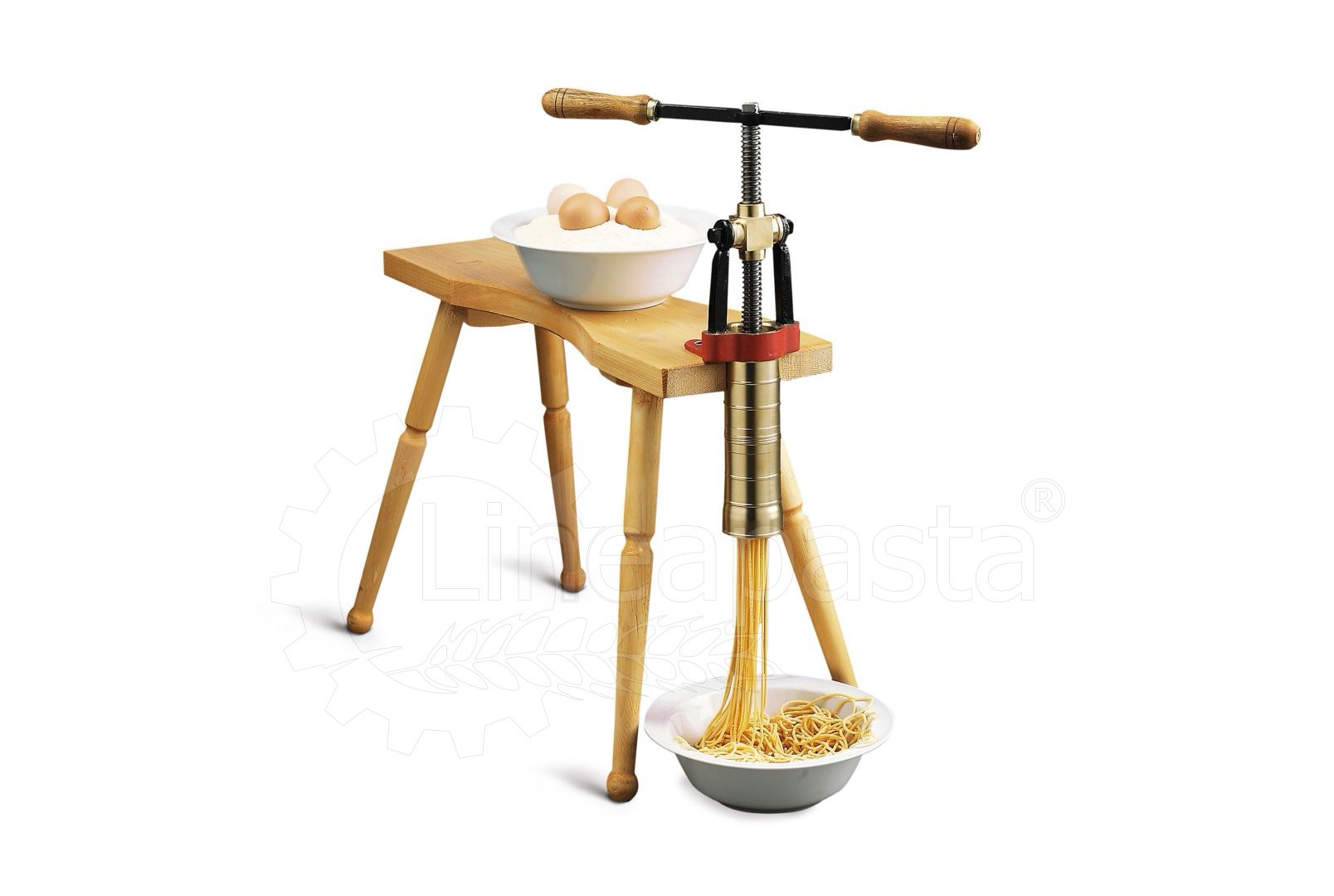
The Bigolaro — Hand Press for Bigoli
Bigoli is one of the classic pasta traditions of Veneto. The dough is not cut from a sheet; instead, it is pressed through a hand-operated torchio or bigolaro, creating thick, rough strands with a hearty texture and a rustic surface that holds sauces beautifully. Bigoli are especially associated with the kitchens of Venice, Padua and the wider Veneto region.
Because the dough is pushed through a perforated plate, the finished strand develops a character that is different from rolled-and-cut pasta. This extrusion method gives Bigoli a more substantial bite and makes it ideal for robust sauces such as duck ragù, anchovy sauces, onion sauces, or slow-cooked meat preparations.
Regional note: in Liguria, trenette belongs to the rolled-and-cut family rather than the extruded family. Handmade trenette are narrow flat ribbons traditionally served in Genoa with basil pesto, often with potatoes and green beans. This contrast helps explain the difference between sheeted pasta traditions and extruded pasta traditions across Italy.
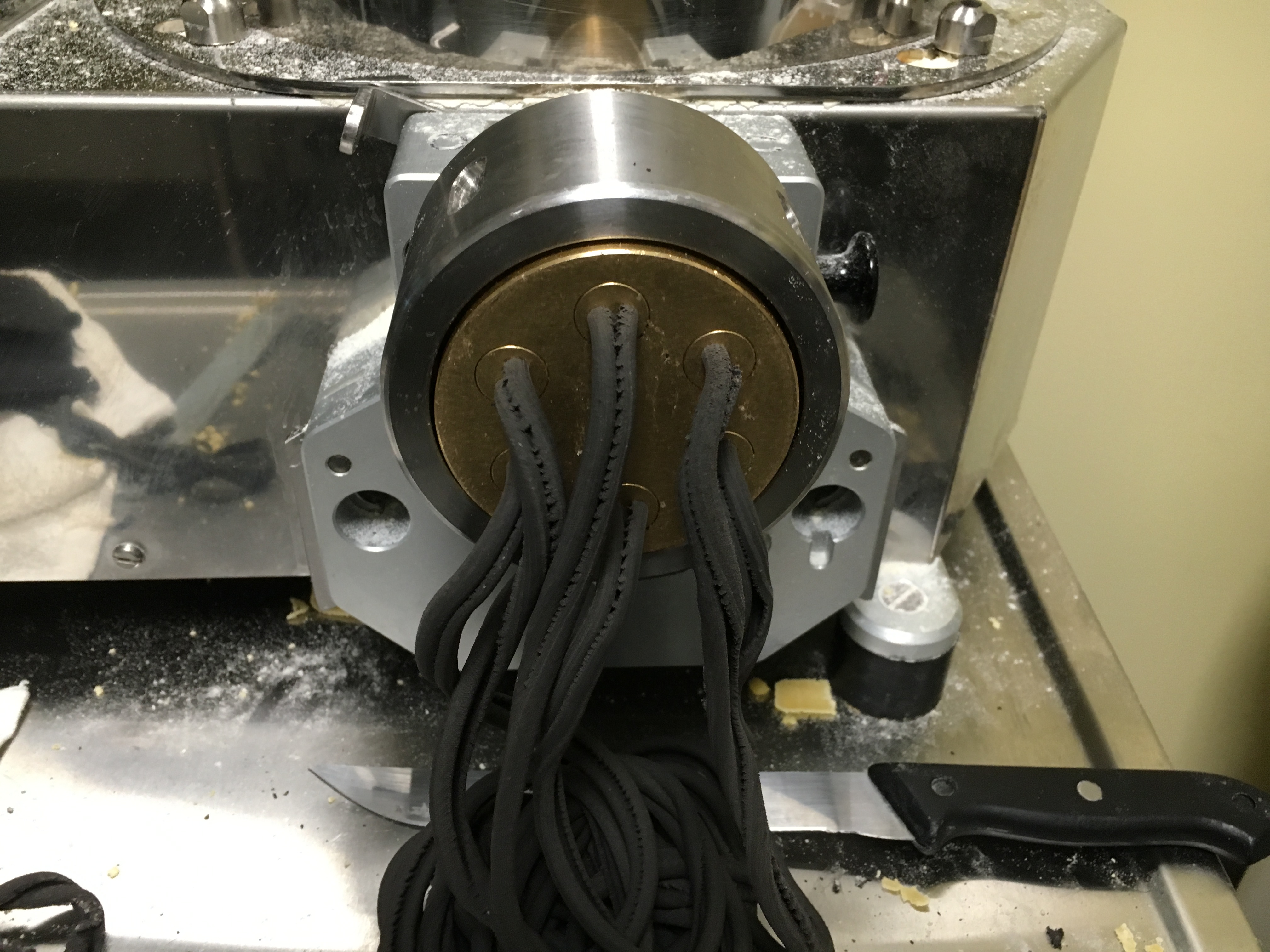
The Extruder — When the Die Creates the Shape
In modern pasta making, a machine can knead and compress the dough, then force it through a shaped die. The image here shows a squid ink pasta dough being extruded, demonstrating how color, ingredients, and dough composition can be combined with mechanical shaping. By changing the die, the same process can produce spaghetti, bucatini, rigatoni, penne, fusilli, and countless other forms.
This is fundamentally different from laminated pasta dough for tagliatelle, lasagne, fettuccine, pappardelle, and trenette, where the dough is first rolled into a sheet and then cut or formed. In extrusion, the pressure of the machine and the design of the die define the pasta shape directly.
Technique comparison: rolled pasta emphasizes lamination, sheet thickness, and hand cutting; extruded pasta emphasizes dough density, die shape, and surface texture. Both methods are authentically Italian, but they create different textures, different sauce relationships, and different regional identities.
PASTA — From Ancient Dough to Modern Culinary Art
Watch the complete Tuscany Cuisine pasta documentary and then continue through this page as its educational companion. The film connects ancient dough traditions, Sicily and dried pasta, durum wheat and semola rimacinata, gluten and hydration, hand shaping, regional identity, the Venetian bigolaro, modern extrusion, pasta architecture, sauce relationships, seasonality and the future of culinary knowledge.
This page now serves as the central learning hub for the regional handmade pasta forms featured throughout the film. Use the cards below to compare how local grain, climate, tools, hand movements and culinary traditions created very different pasta identities across Italy.
Regional Handmade Pasta of Italy — Educational Shape Library
Italy’s pasta tradition is not one technique but a collection of regional languages. Some pastas are rolled from sfoglia, some are dragged or twisted by hand, some are stamped with carved molds, some are shaped as dumplings, and others are formed from durum dough and later dried or toasted. This library connects the Pasta documentary with the history, hand movements, texture and sauce behavior of distinctive regional forms.
Garganelli
Small ridged tubes of fresh egg pasta made from squares of sfoglia. Each square is wrapped diagonally around a small rod and rolled across a ridged comb or board, creating a handmade tube whose exterior texture grips sauce beautifully.
Pizzoccheri
Rustic flat ribbons strongly associated with Valtellina and traditionally built around buckwheat flour. Their dark color, earthy flavor and substantial bite reflect the mountain agriculture and cold-weather cooking of the Alpine north.
Cavatelli
Small hollowed pieces of pasta formed by pressing and dragging pieces of dough with the fingers, a knife or a small shaping tool. The central cavity gives cavatelli exceptional sauce-holding ability and a recognizably handmade appearance.
Fregola Sarda
A Sardinian semolina pasta formed into small irregular pearls by rubbing and rolling moistened semolina by hand. Fregola is commonly dried and toasted, developing a nutty character that makes it especially effective with seafood, broths, vegetables and tomato-based preparations.
Gnocchi
Gnocchi belong to a broad Italian dumpling family rather than one single dough. Potato gnocchi are among the most familiar: soft pieces are cut from ropes of dough and often rolled across a fork or ridged board to create grooves that collect sauce.
Gnudi
Soft Tuscan ricotta-and-greens dumplings often described as the filling of ravioli without the pasta wrapper. The name means “naked,” and the preparation depends on moisture control and a gentle hand so each dumpling remains delicate rather than dense.
Scialatielli
Short, thick ribbon pasta associated with Campania and the Amalfi Coast. Broader and shorter than many long ribbon pastas, scialatielli have enough body to stand beside shellfish, seafood sauces, tomatoes and the intense flavors of southern coastal cooking.
Trenette
Long, narrow flat ribbons from Liguria, traditionally associated with the world of Genovese pesto. Their flat surface carries the basil, olive oil and cheese emulsion while remaining delicate enough to work with potatoes and green beans in the classic regional combination.
Trofie
Short twisted pasta traditionally shaped by rolling small pieces of dough beneath the hand to create a tapered spiral. The tight twists trap pesto and other sauces in the curves, making trofie one of Liguria’s most recognizable hand-shaped pastas.
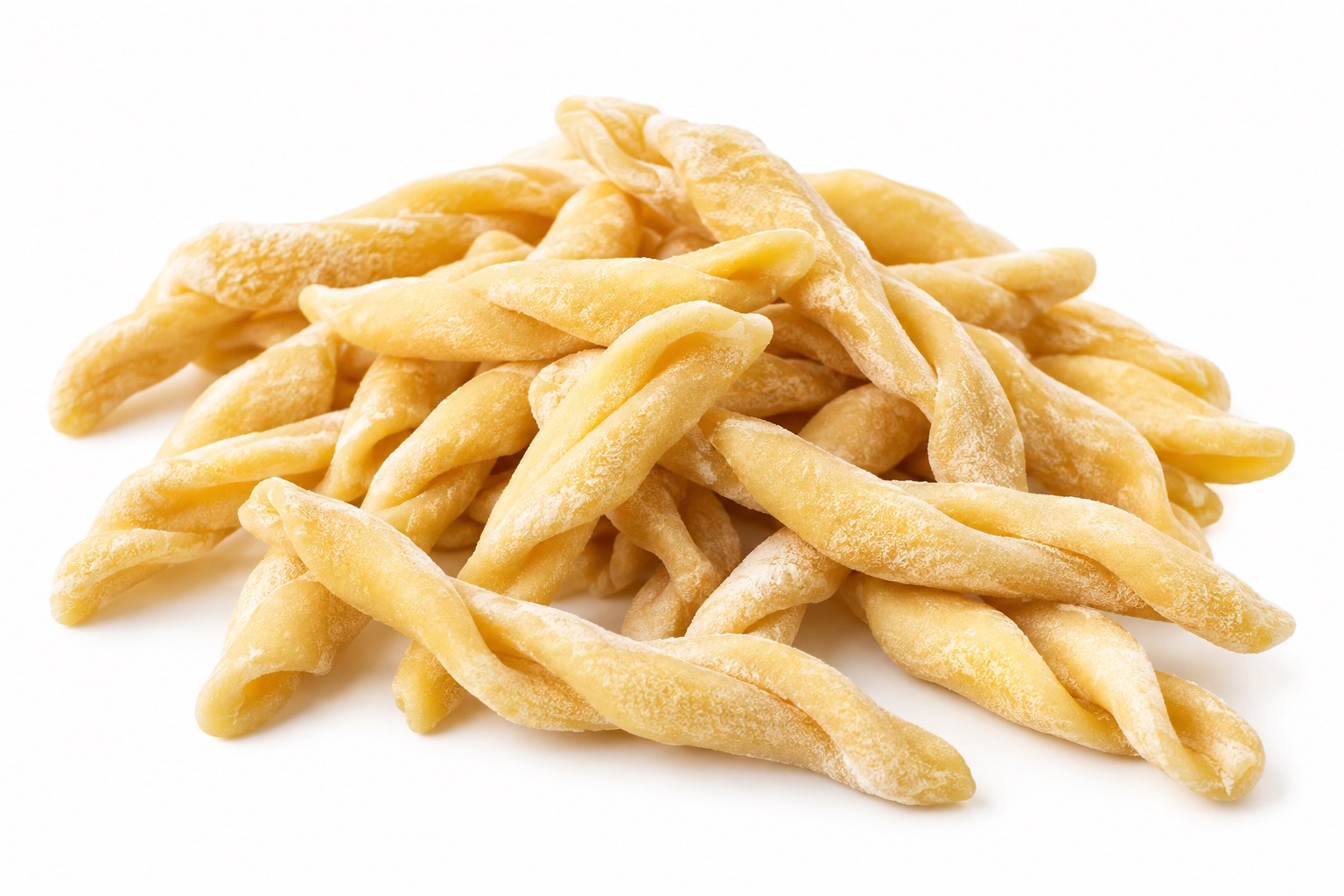
Strozzapreti
A rustic hand-shaped fresh pasta strongly associated with Romagna in Emilia-Romagna and also found in several Central Italian traditions. Classic Romagnolo strozzapreti are made from a simple flour-and-water dough, rolled into a thin sheet, cut into narrow strips, and twisted between the palms into short, irregular lengths.
The name is commonly translated as “priest chokers,” and several regional stories connect it with the former Papal States. The handmade irregularity is part of the pasta’s identity: no two pieces need to be exactly alike.
Texture profile: firm and pleasantly chewy with a thick rustic bite, irregular edges, and a lightly rough twisted surface that grips ragù, tomato sauces, seafood preparations, and creamy emulsions especially well.
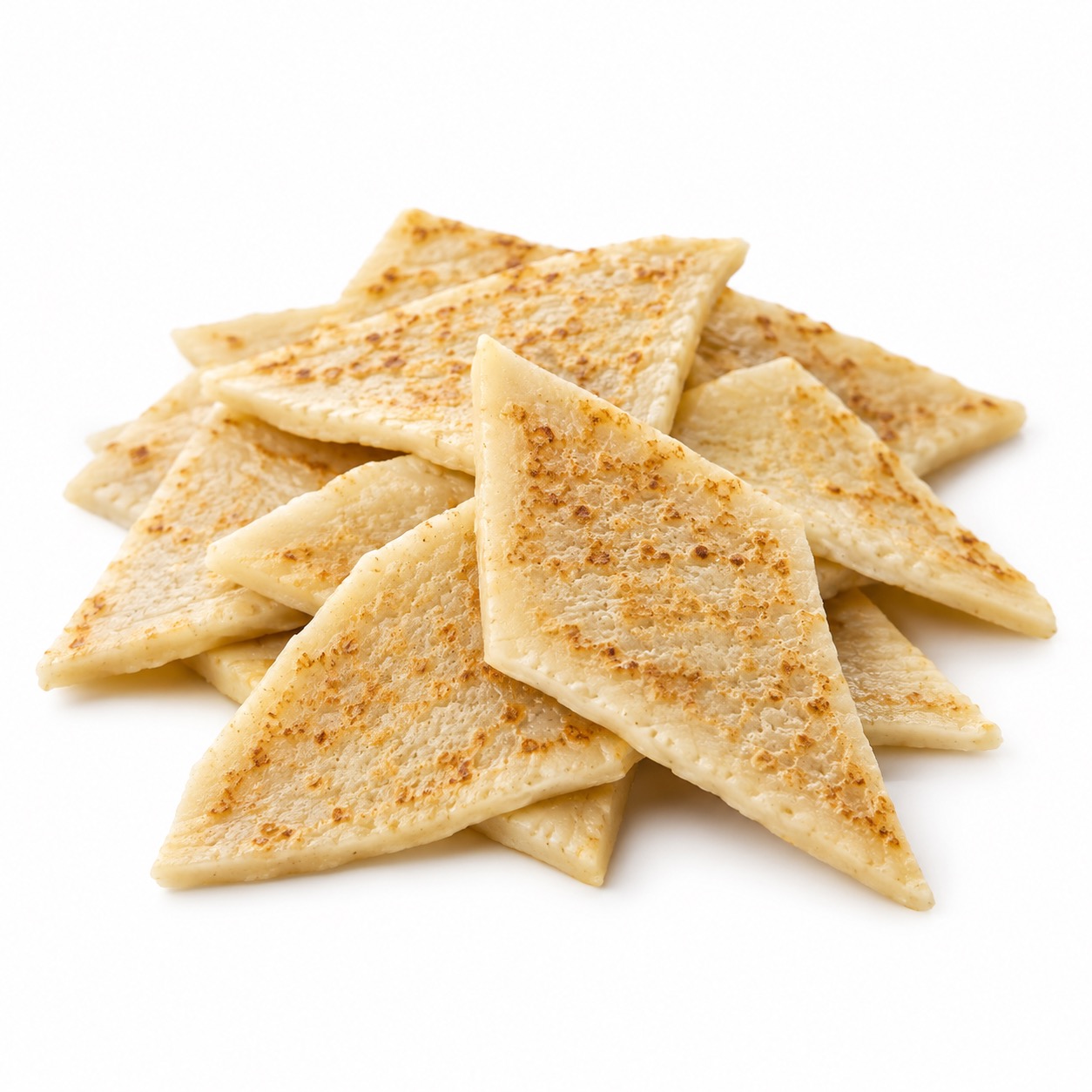
Tuscan Testaroli
One of Tuscany’s oldest pasta traditions, Testaroli comes from Lunigiana and is made from a simple batter cooked on a hot testo, then cut into diamonds or rustic shapes. It stands between bread, crêpe and pasta, carrying a deeply regional identity rooted in mountain cooking and ancient grain traditions.
Once cooked and cut, testaroli is usually refreshed briefly in hot water and dressed gently rather than boiled like conventional pasta. Its delicate structure makes it especially suited to pesto, light herb sauces and elegant seafood presentations.
Texture profile: tender, light and softly porous with a delicate rustic chew that absorbs green pesto and light sauces while remaining elegant on the plate.
Pici
Thick rustic strands shaped entirely by hand, especially associated with southern Tuscany and the Siena countryside. Pici celebrate irregularity: each strand preserves the pressure and rhythm of the fingers that rolled it.
Corzetti
Round pasta medallions pressed between carved wooden molds. The stamped designs can carry decorative symbols, family identities or regional motifs, while the textured surface also gives butter, herbs, pesto and nut-based sauces places to cling.
History & Tradition
Fresh egg pasta is one of the great craft foundations of Italian cuisine, especially in regions where rolling, laminating, folding and shaping dough by hand became part of daily kitchen life. The beauty of pasta dough lies in its simplicity: flour, eggs, salt, and disciplined technique. From that base come an extraordinary range of forms, textures, and regional identities.
In a professional kitchen, the dough is more than a recipe; it is a system. Hydration, resting time, flour strength, and lamination all affect the final result. A slightly softer dough helps filled pasta close beautifully, while a stronger dough is better for broad sheets and structured cuts. This is why the pasta station remains one of the purest expressions of Italian craftsmanship.
Explore more on the culture of handmade pasta in the Tuscany Cuisine journal: Flour & Water Pasta Journal .