
Ingredients (1 Professional Batch)
This batch is designed for production (cookies, tart shells, crostate).
- 1000 g 00 flour
- 600 g unsalted butter (soft)
- 350 g granulated sugar
- 1 each whole egg
- 5 each egg yolks
- 3 g sea salt (pinch)
- Optional vanilla extract + citrus zest (orange or lemon)
Preparation
1. Add flour, sugar, salt, butter, whole egg, and yolks to a stand mixer fitted with the paddle.
2. Mix just until the dough comes together—do not overwork (keep it tender).
3. Wrap tightly and refrigerate at least 30 minutes.
4. Roll and line tart rings/shells or portion for cookies; chill again if the dough warms up.
5. Bake according to the dessert you’re making (tarts/cookies vary by thickness and filling).
Version 2 (Small Tart Dough)
A smaller, more “pâtisserie-style” tart dough. (This section is informational and not tied to the batch calculator.)
- 250 g 00 flour
- 175 g soft unsalted butter
- 100 g powdered sugar
- 50 g whole eggs
- 25 g honey
- 1/2 vanilla bean
- 3 g active dry yeast
- 2 g sea salt
Sift flour, powdered sugar, and yeast. Cream butter with the paddle, then add sifted ingredients. Add eggs, salt, honey, and vanilla. Mix just until the dough forms. Wrap and chill at least 30 minutes.
Batch Calculator + Inventory + OPS
Base Yield: 1 batch ≈ 2.10 kg
Scale ingredients and push them to the order queue.
Scale ingredients and push them to the order queue.
Scaled Output
Batches: 1
Estimated Yield: 2.10 kg
Batches: 1
Estimated Yield: 2.10 kg
OPS Deduct (Active Menu)
This runs your station deduction script from the active menu snapshot.
Use Preview first, then Apply.
Shortcrust Pastry: History + Texture Notes
Shortcrust pastry (Pasta Frolla) is the base used for classic tarts, crostate, and many Italian biscuits. With just a few ingredients, it becomes endlessly versatile—aromatics like citrus zest or vanilla can shift the personality of the dough without changing the technique.
While exact dates are difficult to confirm, some historical documents suggest early versions of this dough were known around the year 1000, especially after sugar cane was introduced into Europe through trade routes. A more formal “codification” appears in medieval cookery, and later the tradition expands through Renaissance and Baroque pastry craftsmanship. In Italy, Bartolomeo Scappi’s writings helped spread refined pastry practice.
Texture is not luck—it’s technique. Less mixing keeps gluten low for tenderness. Chilling firms butter for cleaner rolling and sharper edges. If you want a more delicate, sandy bite (sablé-style), increase butter relative to flour; for a sturdier tart shell, keep the dough colder, mix minimally, and bake until the edges are fully set.
Used In These Desserts
On mobile, swipe left/right. On desktop, they appear side-by-side.

Pinolati (Pine Nut Cookies)
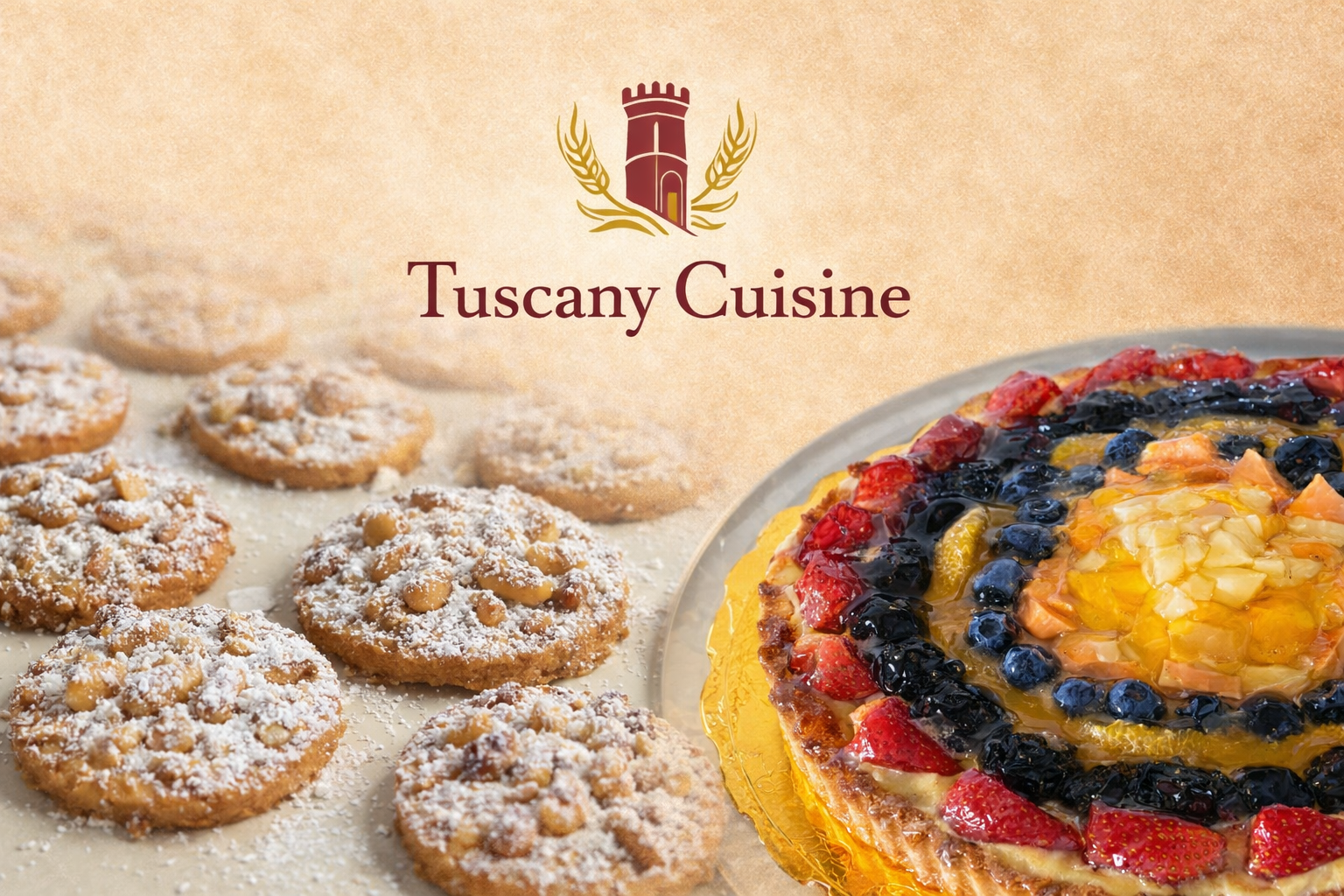
A pasta frolla-style cookie finished with pine nuts and powdered sugar.
Open Recipe
Dolci Directory
Explore more desserts that use pastry bases like frolla, choux, genoise, and more.
Open DirectoryNutrition Facts (per 100g)
Calories: 470 | Fat: 30g | Carbs: 45g | Sugars: 20g | Protein: 5g