

Ingredients (1 Professional Batch)
- 1000 ml whole milk
- 400 g egg yolks (≈ 22 yolks)
- 250 g granulated sugar
- 80 g cornstarch
- 1 vanilla bean
- Zest of 1 lemon
- Pinch of sea salt
Preparation
1. Heat the milk with the vanilla bean (split) and lemon zest until steaming (do not boil).
2. Whisk egg yolks with sugar until smooth. Add a pinch of salt.
3. Sift in cornstarch and whisk until completely smooth.
4. Temper: slowly whisk hot milk into yolk mixture.
5. Return to pot and cook over medium heat, whisking constantly, until thick and bubbling.
6. Remove from heat. Optional: strain for extra silkiness.
7. Cover with plastic wrap touching the surface. Chill completely.
8. Whisk smooth before piping into pastries and cakes.
Batch Calculator + Inventory + OPS
Base Yield: 1 batch ≈ 1.4 liters
Scale ingredients and push them to the order queue.
Scale ingredients and push them to the order queue.
Scaled Output
Batches: 1
Estimated Yield: 1.40 liters
Batches: 1
Estimated Yield: 1.40 liters
OPS Deduct (Active Menu)
This runs your station deduction script from the active menu snapshot.
Use Preview first, then Apply.
The Story of Pastry Cream
The history of custard is as fascinating as it is complex, as its roots are lost in the mists of time. There is no single inventor to whom we can attribute the creation of this delicacy with certainty. However, we can affirm that its origins lie in medieval Europe, where the first references to sweet creams made from milk, eggs, and sugar began to appear in recipe books of the time.
The Italian Renaissance played a crucial role in the evolution of custard. It was during this period that custard, as we know it today, began to be refined by chefs serving in the Italian courts, who experimented with new ingredients and cooking techniques. These culinary masters refined their recipes, adding flour or cornstarch to stabilize the custard and make it more suitable for use as a filling.
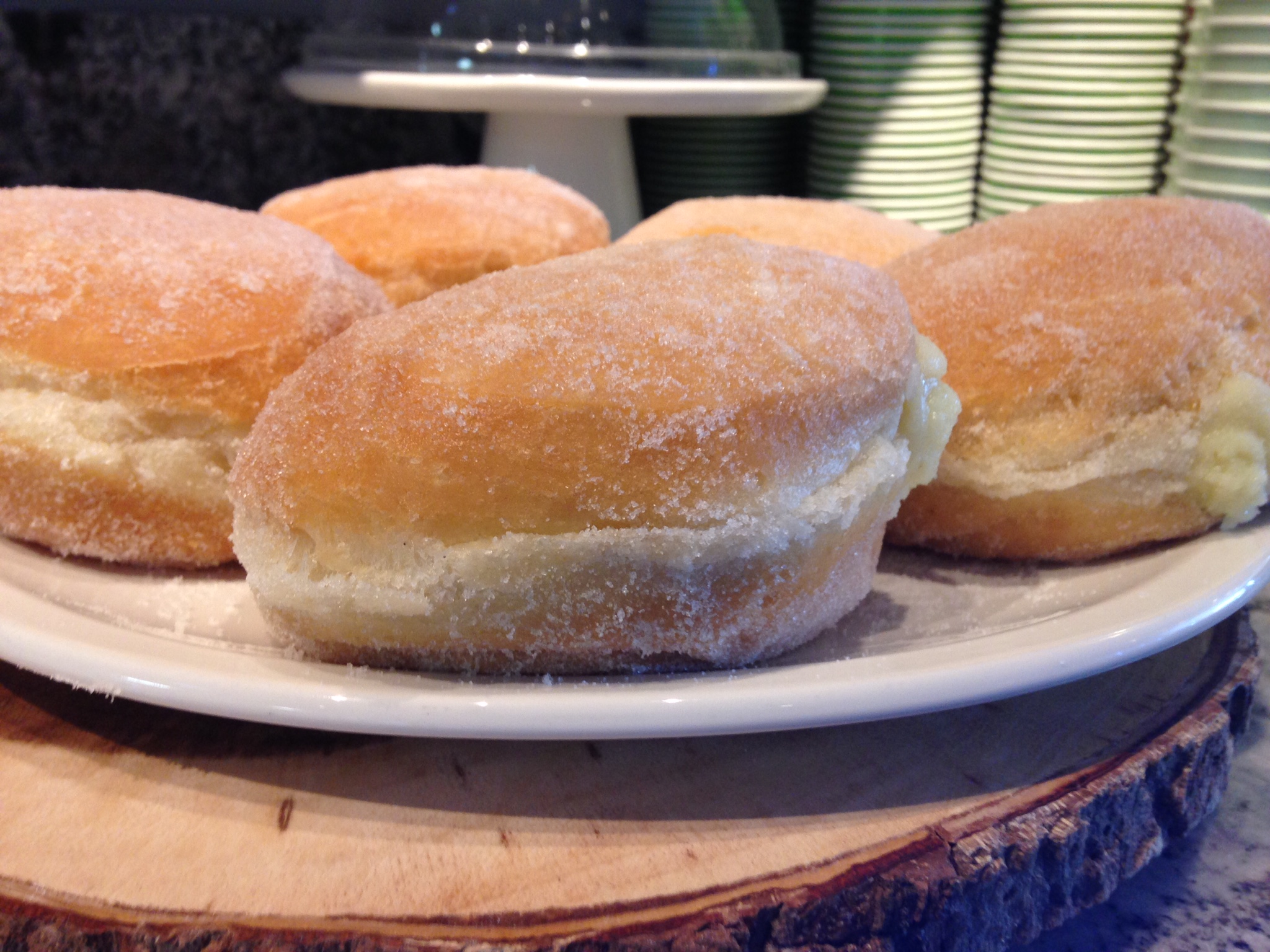
Over the centuries, custard spread throughout Europe, taking on various local variations. In France, for example, it became known as crème pâtissière and was enriched with vanilla, becoming an essential component of French pastry. In Italy, Crema Pasticcera remains one of the most important foundations in the pastry kitchen—used in everything from filled doughnuts to classic holiday cakes.
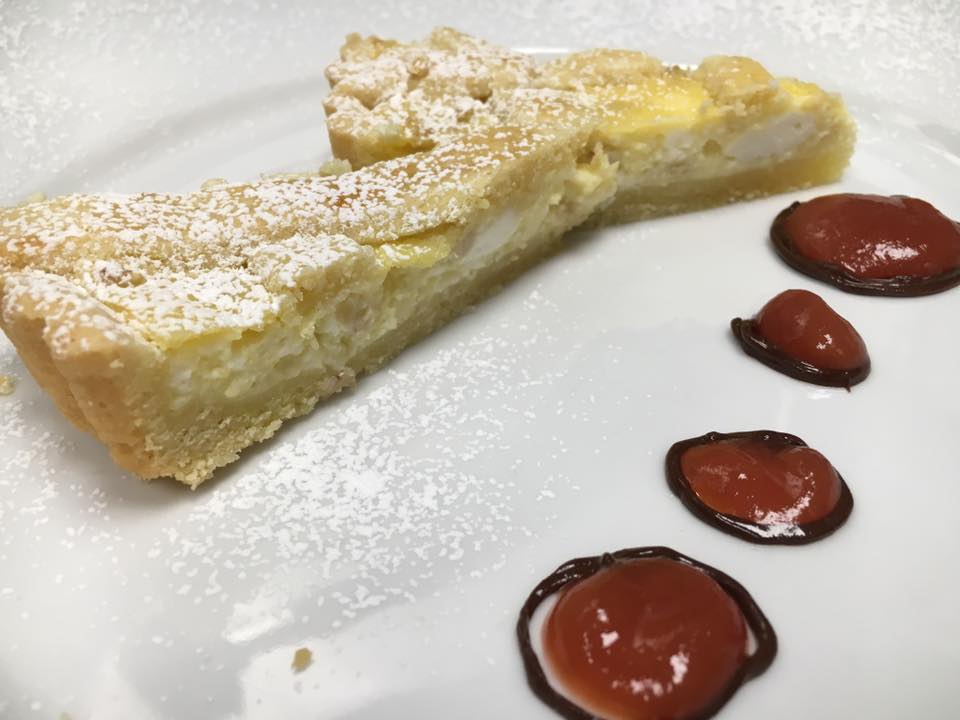
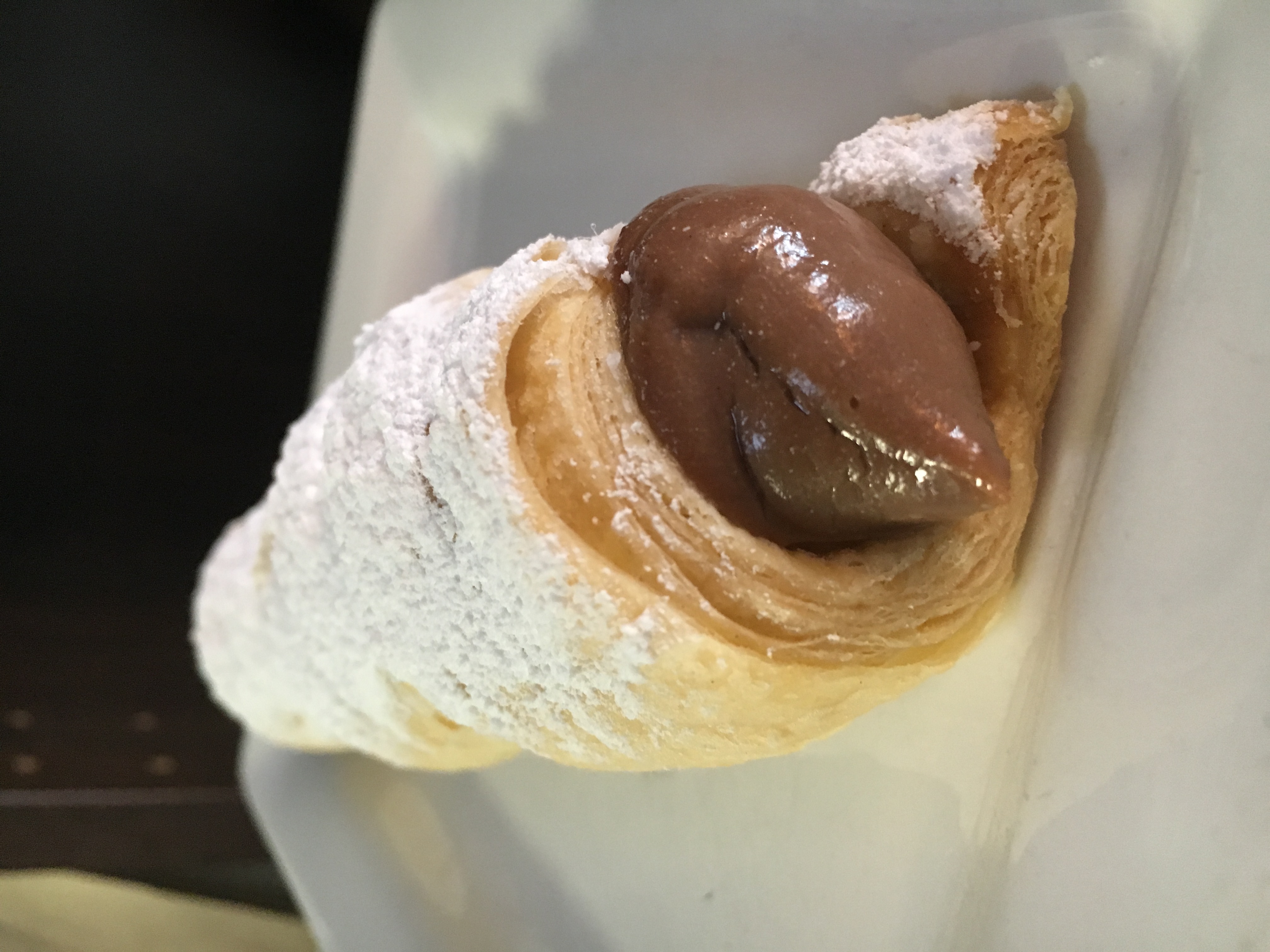
Used In These Desserts
On mobile, swipe left/right. On desktop, they appear side-by-side.
Nutrition Facts (per 100g)
Calories: 180 | Fat: 10g | Carbs: 18g | Sugar: 16g | Protein: 4g