Biga tradition & classic Italian loaves by Chef David Giani—technique, recipes, and print-ready cards.
The Foundations of Italian Bread and Baking
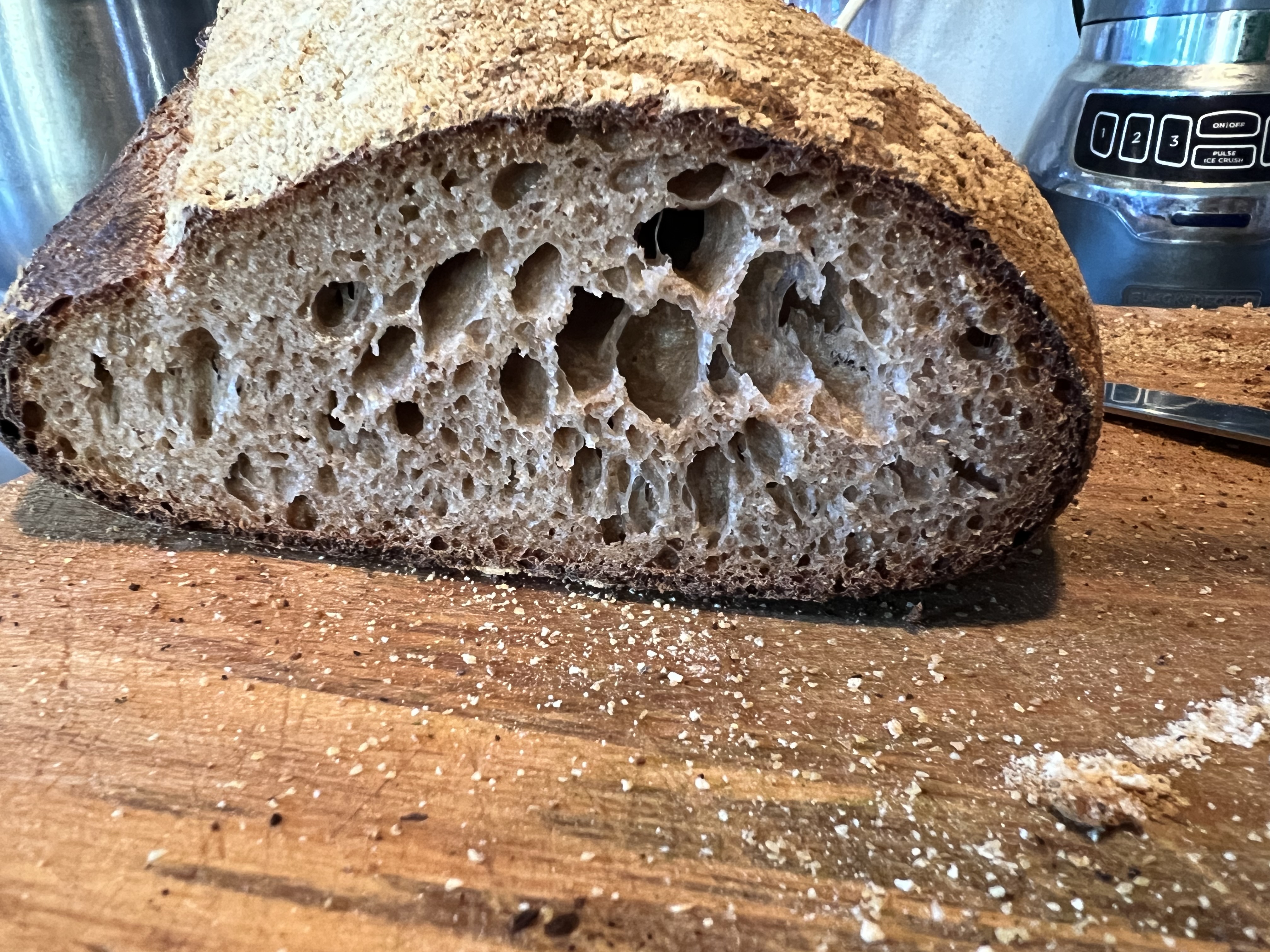
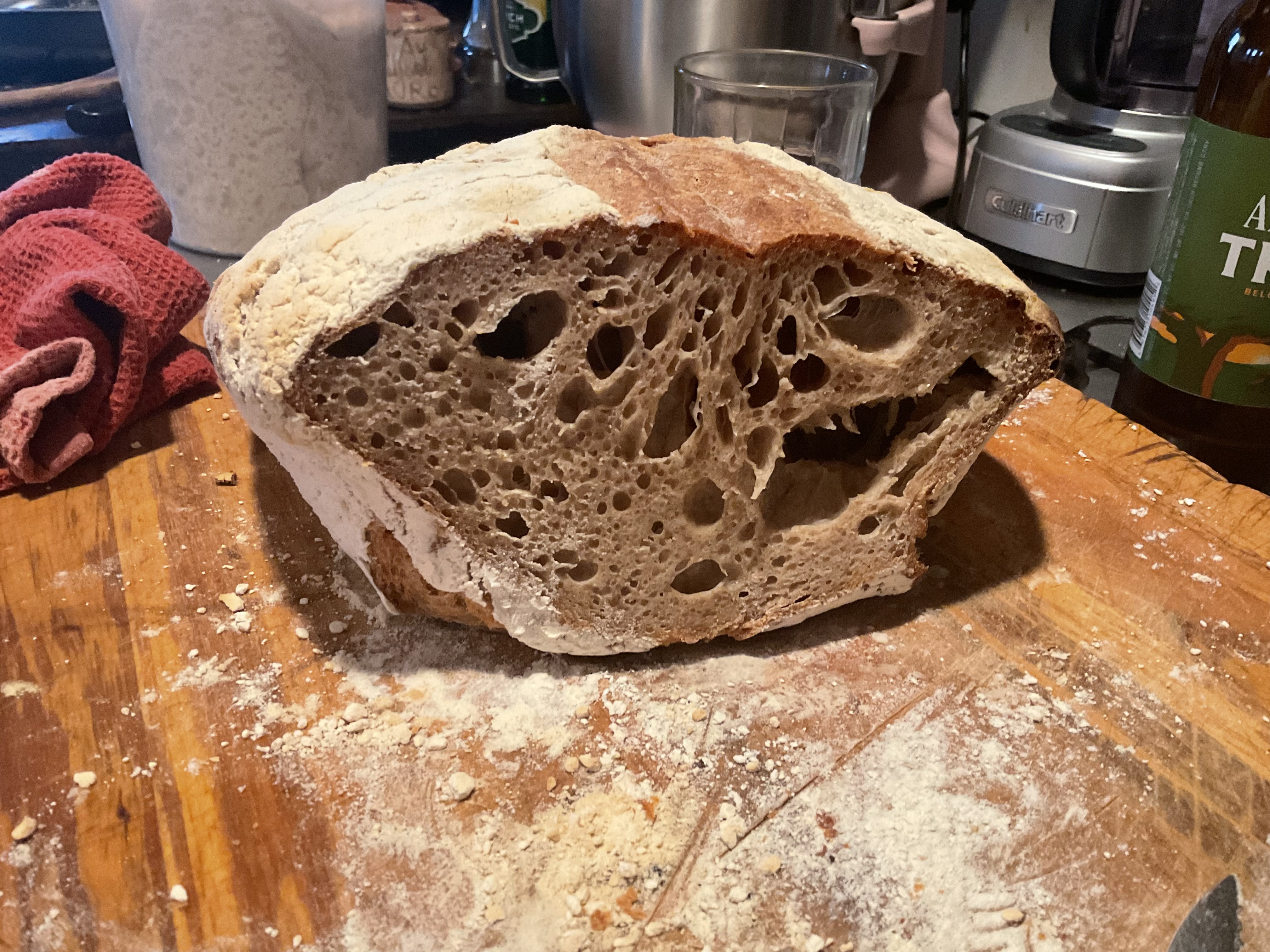
Many regional Italian breads begin with a simple biga—a slow, cool pre-ferment that develops strength,
aroma, flavor, and an open, glossy crumb. Explore the complete
Italian baking recipe collection,
study fermentation, hydration, gluten development, shaping, proofing, steaming, and baking through the
Tuscany Cuisine Culinary Academy,
and learn more about flour, yeast, olive oil, salt, grains, grapes, rosemary, natural starters, and crackers in the
Ingredient Library.
These recipes also connect directly to menu development, bakery production, labor planning, inventory, purchasing, and food-cost analysis.
Continue the bread lesson through the two films that explain the foundations behind Italian baking: flour first, then fermentation, shaping and the traditions of the Italian forno.
🎥 The Art of Italian Bread — From Ancient Traditions to Modern Baking Science
Explore ancient grains, flour classification, lievito madre, fermentation, dough development, regional breads, focaccia, pizza, panini and festive baking.
🎥 The Flour of the World — From Ancient Grain to Modern Culinary Science
Study wheat, milling, flour classification, strength, hydration, semolina and the role flour plays in bread, pasta, pizza, pastry and professional production.
Mix: 250 g bread flour + 170 g water + a pinch (0.5 g) yeast → shaggy dough.
Ferment: Cover; 12–16 hours at 18–21 °C / 65–70 °F until domed and aromatic.
Use: Add to dough (30–50% of total flour weight). Refrigerate up to 3 days or freeze portions.
Recipe Cards
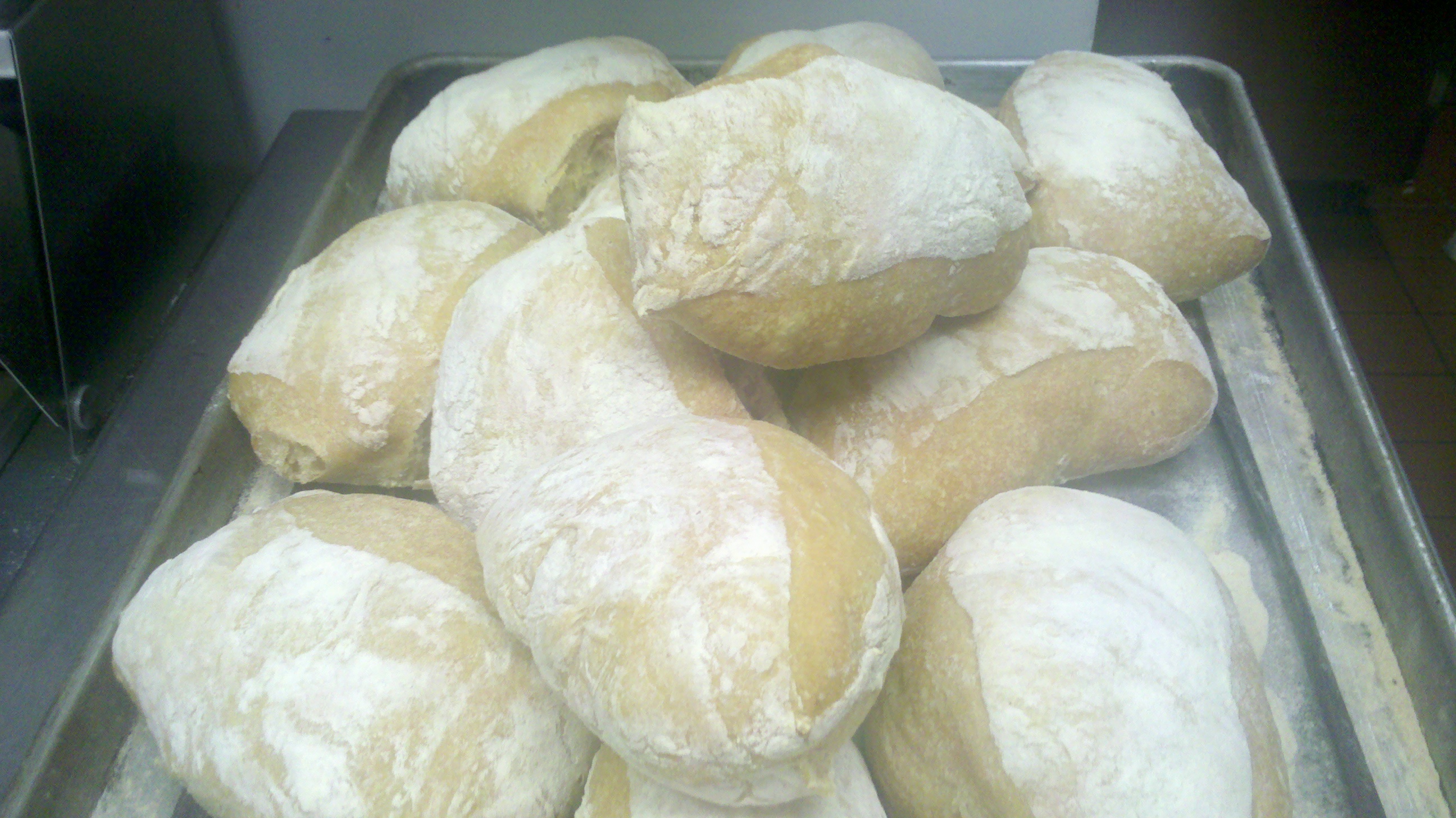
Pane Toscano (No-Salt Tuscan Bread)
Prep: 20 min + rises · Bake: 35–40 min · Yield: 1 large loaf
Ingredients
300 g biga, ripe
450 g bread flour
320–340 g water (70–75% hydration total)
3 g yeast · no salt (traditional)
Steps
Mix biga, flour, water, yeast to a tacky dough; rest 20 min (autolyse).
Knead or fold to develop gluten (5–7 min).
Bulk ferment 1½–2 h; one fold midway.
Shape bâtard; proof 45–60 min. Score.
Bake 230 °C / 445 °F with steam, 35–40 min to deep golden.
Est. per slice (1/12): 160 kcal · F 1 g · C 33 g · P 6 g · Na 2 mg
Ciabatta (Biga Method)
Prep: 25 min + rises · Bake: 20–25 min · Yield: 2 loaves
Ingredients
350 g biga, ripe
500 g bread flour
400–430 g water (≈80–85% hydration)
8 g salt · 3 g yeast
Steps
Mix to shaggy dough; 30 min rest.
Four sets of stretch-and-fold every 30 min (2 h total).
Bench rest 20 min; divide in 2; gently shape.
Proof 35–45 min; bake 245 °C / 475 °F, 20–25 min with steam.
Est. per serving (1/8): 180 kcal · F 1.5 g · C 36 g · P 6 g · Na 220 mg
Focaccia (Rosemary & Sea Salt)
Prep: 20 min + rises · Bake: 20–25 min · Yield: 1 sheet pan
Ingredients
500 g bread flour
400–425 g water (80–85%)
40 g EVOO (plus for pan)
10 g salt · 5 g yeast
Rosemary, flaky salt
Steps
Mix; rest 20 min; 2–3 folds over 60 min.
Oil pan; spread dough; proof 45–60 min.
Dimples, drizzle EVOO; rosemary & salt.
Bake 220 °C / 430 °F, 20–25 min to golden.
Est. per piece (1/12): 210 kcal · F 7 g · C 31 g · P 6 g · Na 310 mg
Schiacciata con l’uva (Tuscan Grape Bread)
Prep: 25 min + rises · Bake: 25–30 min · Yield: 1 pan
Ingredients
500 g bread flour · 320–350 g water
8 g yeast · 8 g salt · 40 g sugar
50 g EVOO (plus for pan)
500 g grapes (preferably wine grapes)
Rosemary (optional)
Steps
Mix & knead; first rise 60–90 min.
Half dough in oiled pan, scatter grapes; top with remaining dough and more grapes.
Proof 30–45 min; sugar + EVOO on top; rosemary optional.
Bake 200 °C / 390 °F, 25–30 min; rest before slicing.
Est. per piece (1/12): 230 kcal · F 7 g · C 36 g · P 6 g · Na 260 mg
Nutrition values are estimates based on standard ingredients.
Featured Bread & Cracker Knowledge Cards
Tuscan Tradition · Bread Knowledge
Pane Toscano — Tuscan Bread
Ingredient Icon
Pane Toscano: the traditional unsalted bread of Tuscany
Tuscan bread is famous for its naturally mild, unsalted character,
crisp rustic crust, and open crumb. Its restrained flavor was designed
to accompany the intensely seasoned foods of Tuscany—from prosciutto
and pecorino to ribollita, pappa al pomodoro, crostini, and hearty sauces.
Within Tuscany Cuisine, Tuscan Bread now has a dedicated
ingredient icon and inventory identity so recipes, bread education,
purchasing, and kitchen production can reference the same ingredient.
Italian name: Pane Toscano
Traditional style: unsalted bread
Texture: rustic crust, open crumb
Best uses: crostini, soups, sandwiches, table bread
Knowledge article:The Tuscan Bread.
Formal Master Ingredient Registry code remains pending until assigned through the registry workflow.
Bread Foundation · Pan Loaf
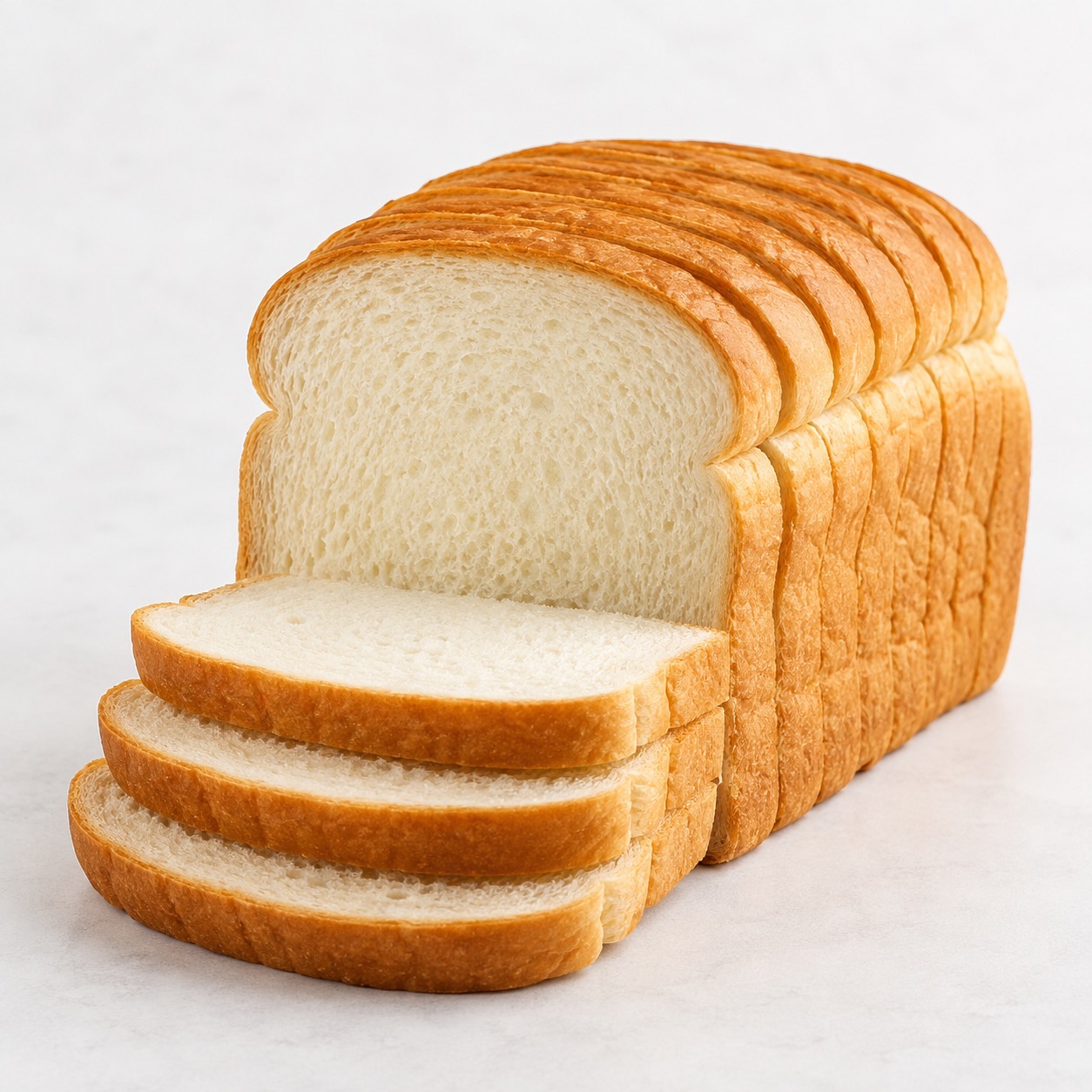
Sandwich Bread — Sliced Pan Loaf
Ingredient Icon
Soft sliced loaf bread for sandwiches, toast and grilled preparations
Sandwich bread is a soft, evenly shaped pan loaf with a fine crumb
and tender crust. Unlike rustic Pane Toscano, ciabatta or baguette,
it is baked specifically to provide regular slices that hold fillings
cleanly and grill evenly.
Tuscany Cuisine records this bread as a separate ingredient identity
so recipes using standard sliced loaf bread do not incorrectly inherit
the traditional Tuscan Bread identity.
For now this card establishes the ingredient record only. A complete
pan-baked sandwich bread recipe — including a possible sourdough pan-loaf
version — can be developed later.
Status: bread-library identity active.
Formal Master Ingredient Registry code and the full production recipe remain pending.
Sandwich Bread. Sliced Sandwich Bread. Pan Loaf. White Sandwich Bread.
sandwich_bread. TC-ICON-SANDWICH-BREAD. sandwichbread.jpeg.
Soft sliced bread for sandwiches, toast, grilled sandwiches and professional foodservice.
Connected recipe: Grilled Sandwich with Whipped Stoccafisso.
Full pan loaf or sourdough pan-bread production recipe pending.
Bread Knowledge · Bakery Foundation
Baguette
Ingredient Icon
A crusty long loaf with elegant simplicity and universal culinary value
The baguette is one of the world’s most recognized breads: slender,
crisp on the outside, light and open in the crumb, and ideal for
sandwiches, crostini, cheese boards, charcuterie, table bread,
croutons, and professional bakery service.
On Tuscany Cuisine, the baguette plays an important role in recipe
development and menu applications, especially for appetizers such as
crostini, toasted bread garnishes, and classic service bread.
Texture: crisp crust, tender interior
Best uses: crostini, sandwiches, service bread
Service: slice fresh or toast lightly
Platform role: recipe, menu and inventory identity
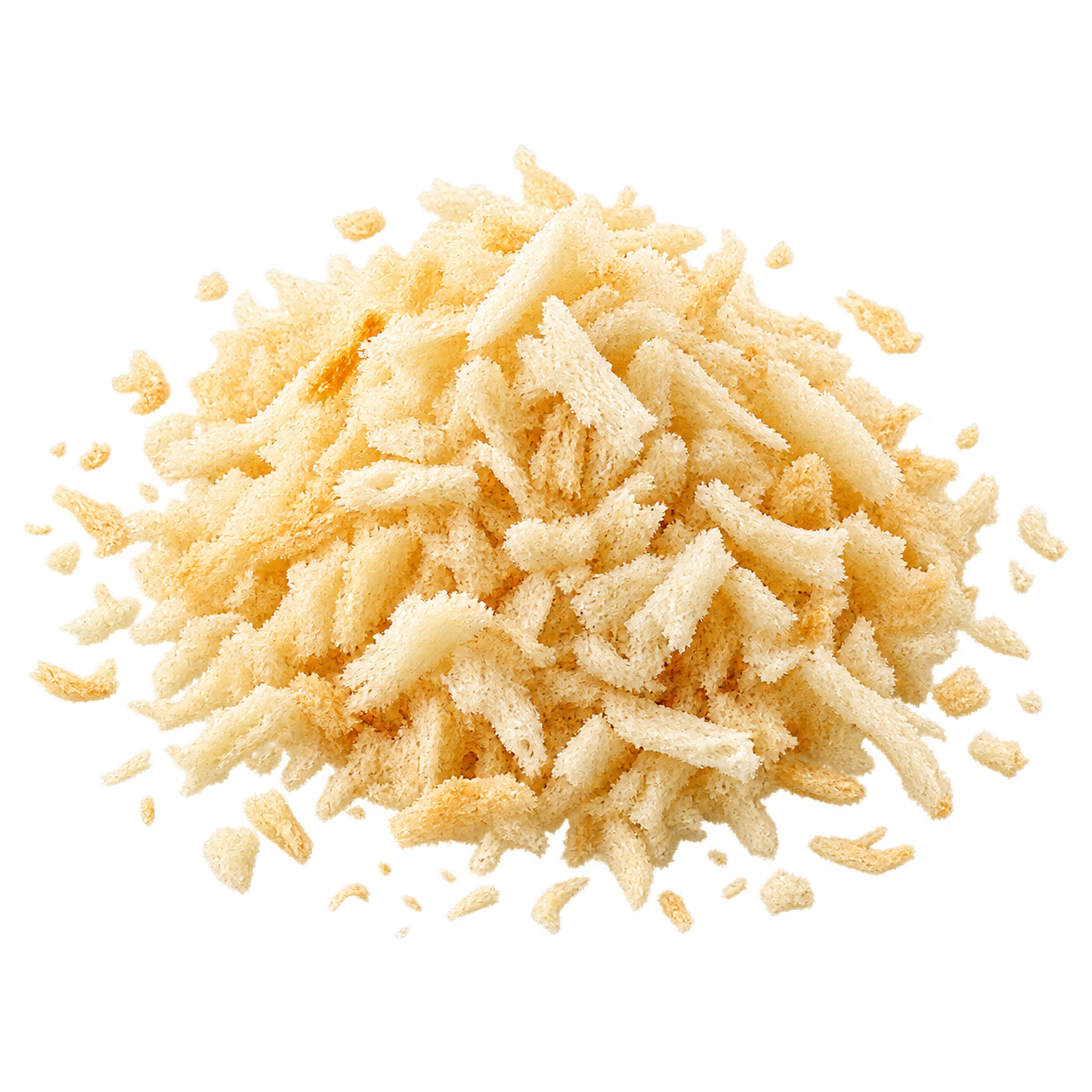
Light, coarse breadcrumbs for crisp coatings, toppings and finishing texture
Panko is a Japanese-style breadcrumb made with a light, airy crumb structure.
Its larger flakes absorb less oil than many fine breadcrumbs and produce a
delicate, crisp texture when fried, baked, toasted, or used as a finishing garnish.
In the Tuscany Cuisine system, Panko is treated as its own bread ingredient identity
so recipe pages, inventory, purchasing, search, and production records can distinguish
it from standard fresh or dry breadcrumbs.
Ingredient page:Panko Breadcrumbs.
Formal Master Ingredient Registry code can remain synchronized through the normal registry workflow.
Bakery Ingredient · Crisp Bread Family
Crackers
Ingredient Icon
Thin baked breads designed for crisp texture, shelf stability, service and pairing
Crackers belong to the broad family of dry, crisp baked breads. Their ancestry
reaches back to long-keeping flatbreads and ship-biscuit traditions, while modern
crackers range from very simple flour-and-water styles to enriched, fermented,
whole-grain, seeded and artisan varieties.
In professional kitchens, crackers provide a neutral or seasoned base for cheese,
pâté, mousse, smoked fish, charcuterie, spreads and composed appetizers. Texture,
salt level and flavor intensity should be selected to support the topping rather
than compete with it.
Saltine: light, dry, salted and crisp
Water cracker: thin, neutral and ideal for cheese
Cream cracker: layered, tender-crisp and richer
Whole-grain: nutty flavor and stronger structure
Seeded cracker: sesame, flax, poppy or mixed seeds
Artisan flatbread: olive oil, herbs, spices and specialty grains
Best uses: cheese, mousse, pâté, dips and canapés
Storage: airtight, cool and dry to preserve crispness
Allergen control: most wheat-based crackers contain gluten, and formulas may
also contain milk, sesame, soy or other allergens. Purchasing and recipe records should always
follow the exact supplier label for the product being used.
Study flour, yeast, salt, olive oil, grains, grapes, herbs, natural starters, Tuscan bread, baguette, Panko breadcrumbs, crackers, and other baking ingredients. Watch The Flour of the World and The Art of Italian Bread for the connected culinary film lessons.
Tuscan Bread. Pane Toscano. traditional Tuscan no-salt bread. tuscan_bread.
TC-ICON-TUSCAN-BREAD. tuscanbread.jpeg. https://tuscanycuisine.blogspot.com/p/the-tuscan-bread.html
Tuscan bread for crostini, ribollita, pappa al pomodoro, sandwiches, table service,
recipe production, inventory, purchasing and bread education.
Panko Breadcrumbs. Panko. Japanese breadcrumbs. panko_breadcrumbs.
TC-ICON-PANKO-BREADCRUMBS. panko.png.
Light coarse breadcrumbs for breading, gratins, toppings, toasted garnish and crisp finishing texture.
Ingredient page: https://www.tuscanycuisine.com/pane/panko.html.
Connected recipe: Spaghetti with Tuna Bottarga.
Connected Tuscany Cuisine films: The Art of Italian Bread — From Ancient Traditions to Modern Baking Science,
https://www.tuscanycuisine.com/engine/baking2/yeast.html#italian-bread-film. The Flour of the World — From Ancient Grain to Modern Culinary Science,
https://www.tuscanycuisine.com/academy/ibrary/pantry/flours/Farine.html. Bread, flour, fermentation, lievito madre, baking science, regional Italian breads,
Chef David Giani, Tuscany Cuisine.