Recipe Overview
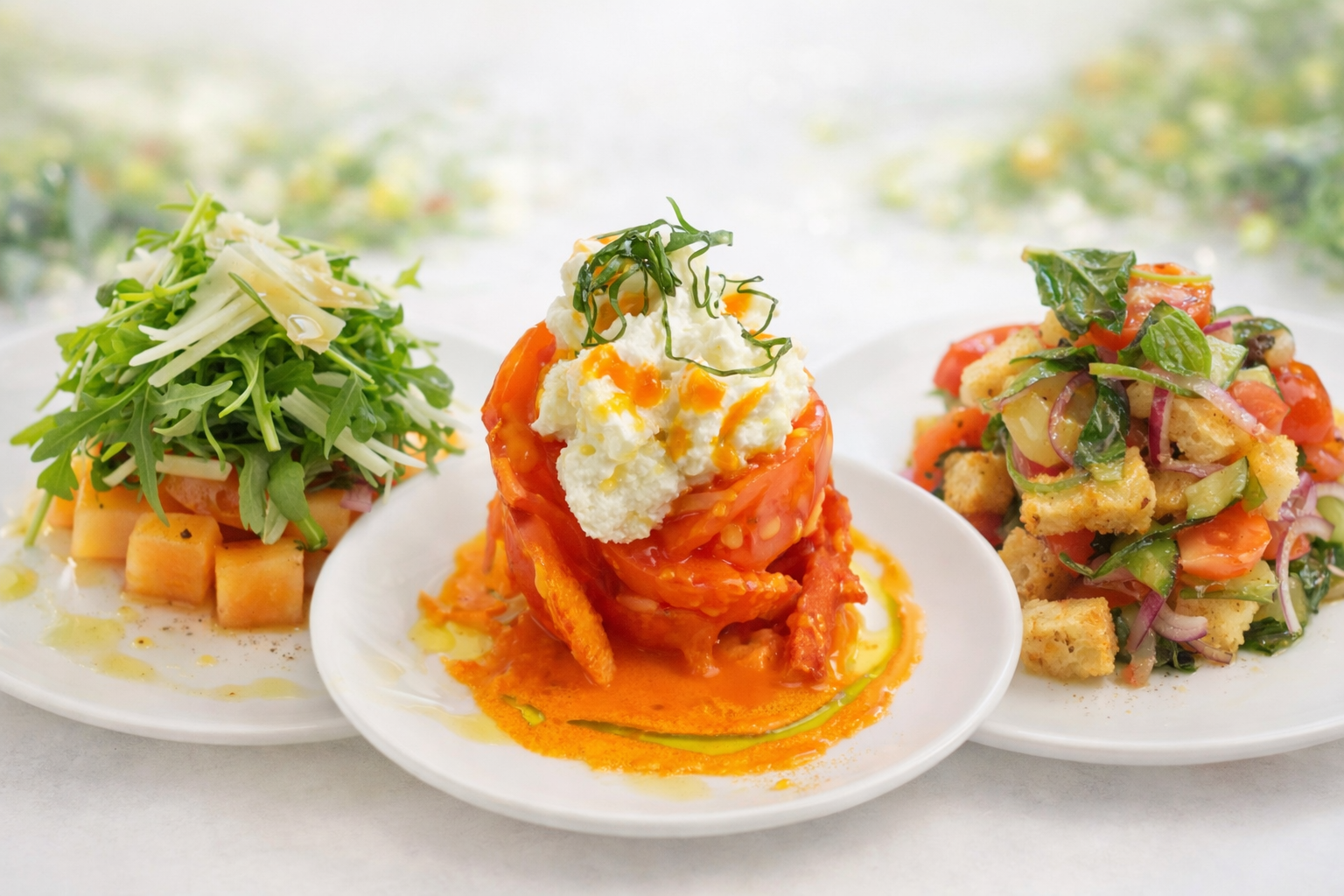
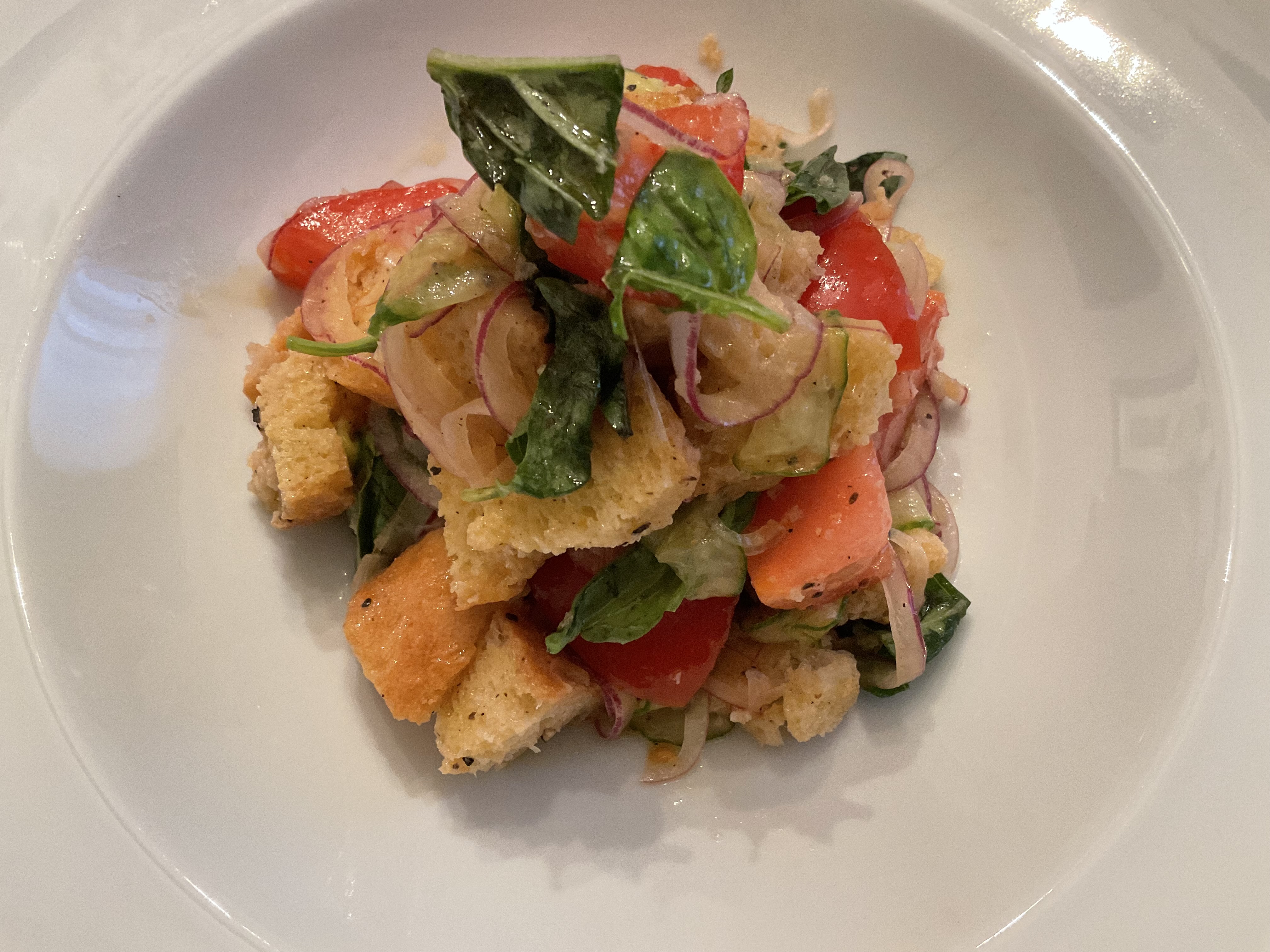
Panzanella is one of the purest expressions of Tuscan summer cooking. Day-old bread, ripe tomatoes, cucumber, red onion, basil, olive oil, and vinegar come together in a salad that is rustic, refreshing, and full of character. At Tuscany Cuisine, this dish represents the beauty of peasant intelligence: nothing wasted, everything transformed.
Why It Matters
This is not just a salad. It is part of the same Tuscan family as ribollita, pappa al pomodoro, and other bread-based dishes born from respect for bread and the refusal to waste it.
Best Character
The strength of panzanella is its balance between juicy tomatoes, softened bread, sharp vinegar, fragrant basil, and olive oil richness. It should taste alive, not heavy.
Ingredients
-
 Day-Old Tuscan Bread — 113 g · day-old, cut into rustic cubestuscan_bread
-
 Ripe Heirloom Tomatoes — 300 g · ripe, cut into wedgesheirloom_tomato
-
 Red Onion — 75 g · shaved thinTC-VEG-ONION-RED
-
 Cucumber — 200 g · slicedcucumber
-
 Fresh Basil Leaves — 25 g · leaves torn by handHERB-BASIL-FRESH-001
-
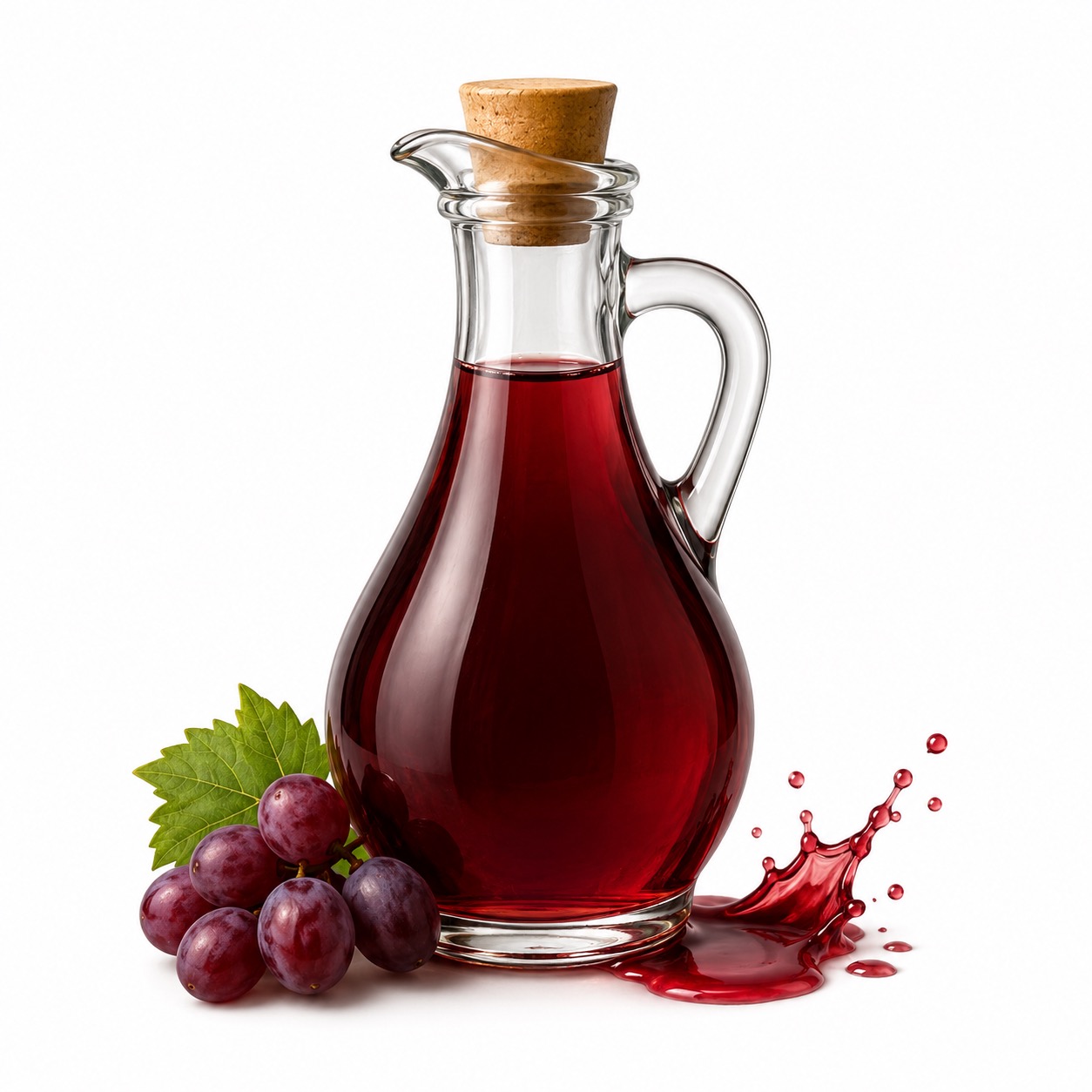 Red Wine Vinegar — 30 g · for dressingVINEGAR-RED-WINE-0001
-
 Extra Virgin Olive Oil — 40.5 g · for dressing and finishingOIL-0001
-
 Sea Salt — 1 pinch · to taste; recipe unit retained as pinchSPICE-SALT-0001
-
 Freshly Cracked Black Pepper — 1 pinch · freshly cracked, to tasteSPICE-PEPPERCORN-BLACK
Preparation
- Cube the day-old bread. If you prefer a little more bite, lightly toast it, but do not dry it out too much.
- Cut the tomatoes into wedges, slice the cucumber, shave the red onion, and tear the basil leaves by hand.
- Place bread, tomatoes, cucumber, and onion in a large bowl. Season with sea salt and black pepper.
- Dress with red wine vinegar and extra-virgin olive oil, then toss well so the bread begins to absorb the tomato juices and dressing.
- Let the salad rest in the refrigerator for about 30 minutes so the flavors marry and the bread softens properly.
- Bring back toward cool room temperature, finish with basil, adjust seasoning if needed, and serve.
Two principal traditions are commonly told about the origin of panzanella. The first belongs completely to the logic of Tuscan peasant cooking: nothing precious should be thrown away, especially bread. In rural households bread might be baked only once a week, and sometimes even less often. When the loaf became dry and hard several days later, water gave it a second life. The softened bread could then be combined with whatever vegetables and herbs were available from the household garden or nearby fields.
A second theory connects panzanella with sailors and fishermen. According to this tradition, sailors carried bread aboard their boats and moistened it—sometimes described as dousing it with seawater—when they went to sea. That practical act of reviving dry bread offers another possible path toward the dish that later became known as panzanella.
Yet the character of the finished dish also points strongly toward the countryside. Panzanella is a cool, vegetable-rich bread preparation built from foods found close to the house: tomatoes, cucumber, onion, herbs and yesterday's bread. Unlike dishes such as Matera's crapiata, it is not centered on legumes or whole grains; its foundation is stale bread and the seasonal “vegetables on the doorstep” supplied by the garden and fields.
This makes it easy to understand panzanella as the work of home kitchens—especially the resourcefulness of the women responsible for feeding large families with limited means. It was a dish created, adjusted and passed from household to household rather than standardized by a formal kitchen. That domestic transmission helps explain why there is no single official recipe. The proportions, vegetables and handling of the bread could change with the village, the season, the family and what was available that day.
Whatever weight one gives to the peasant or sailor theories, panzanella belongs to an old Central Italian tradition. Literary traces and traditional references are associated with writers such as Giovanni Boccaccio, while the Florentine painter and poet Agnolo Bronzino is often cited in connection with a 16th-century verse describing a bread-and-vegetable preparation recognizable within the panzanella tradition.
Ready for Menu Builder & Production Use
Recipe 361 is integrated with the Salad Master architecture: synchronized ingredient icons, serving scaling, Menu Builder metadata, Salad Station operations, labor costing, Live Inventory, Purchasing, the shared Ingredients Engine, Master Search and its embedded Tuscan cooking history.
Chef Notes
The best panzanella is never soggy and never dry. The bread should drink the tomato juices and dressing while still keeping a little body. Use excellent ripe tomatoes and good olive oil — they are the soul of the dish.
Service Suggestions
- Serve cool or at room temperature, never too cold.
- Ideal for summer lunch, buffet tables, or as a rustic first course.
- Let it rest before serving so the bread absorbs flavor properly.
- Finish with extra basil just before service for freshness.
| Calories | 310 kcal |
| Protein | 7 g |
| Carbohydrates | 35 g |
| Fat | 17 g |
| Fiber | 5 g |
| Cholesterol | 0 mg |
| Sodium | 420 mg |